
Coffee is one of the most ritualized things in daily life and also one of the least examined. Most cups are chosen on autopilot, ordered by habit, brand loyalty, or whatever feels familiar before the first sip. But the unexamined life is not worth living, said Socrates. We’re not sure whether Socrates drank coffee, but we’re fairly confident he wouldn’t have ordered it on autopilot. Each cup carries history, geography, agriculture, craft, and intention in ways that look far more like wine or craft beer than we’re usually told. Our mission isn’t to make coffee complicated. It’s to make it worth paying attention to, and to give you enough of a map to wander without getting lost.

Tim Hortons, Starbucks, and the Myth of Choice
Most people come to coffee through roast. Roast is the part of coffee that has been made most visible, most repeatable, and most legible to a wide audience. Coffee is introduced as light or dark, strong or smooth, and bold or mild. These distinctions are easy to learn, easy to repeat (and definitely easy to build habits around), and over time they take on the weight of explanation, even identity.

In Canada, this roast-first understanding of coffee has been shaped above all by two chains that are often treated as opposites, even as cultural shorthand. Tim Hortons built its identity around familiarity and neutrality, offering a cup designed to feel dependable and unobtrusive. Starbucks, by contrast, shifted mainstream expectations by leaning hard into intensity, developing darker and more assertive roasts that read as bold and unmistakable, especially once milk and sugar entered the picture. These are coffees that couple well with other industrialized things you’re told are normal, like automobile gridlock. It takes only minor curiosity to think outside the box, and your tastebuds will thank you.
Sorry, Rob Ford
What’s funny is that Starbucks and Tim Hortons are claimed to represent different kinds of people. In Toronto, that framing even took on a political edge when Rob Ford joked that downtown cyclists drank Starbucks while suburban drivers drank Tim Hortons. The implication was that one group possessed sophistication and the other did not. But, this contrast dissolves under closer inspection. That’s because neither are terribly sophisticated.

Why? Because both operate at industrial scale, and both are designed to neutralize difference rather than reveal it. Coffee that must taste the same across thousands of locations, seasons, and supply changes cannot express wide mood swings in regional or varietal character. Differences created by elevation, climate, or processing variability are smoothed out well before the cup reaches the counter. Roast functions as the organizing principle because it is controllable, repeatable, and scalable in ways agriculture is not. It’s the flavour equivalent of building highways instead of bike lanes.
Learning to Read What’s in the Cup
The moment you look beyond roast, coffee gets really fun. But, also quite overwhelming. Our coffee shelves at Pedaal might have the cutest bags, but they are filled with unfamiliar names, origins, varieties, and processing methods, often without explanation. For a curious person, it can feel like stepping into the middle of a conversation already in progress. What’s usually happening is that strength and smoothness are giving way to acidity, structure, aroma, and balance. These are the four corners you start circling as you explore. And like any exploration, you’re going to buy a bag you hate, just like you once bought a craft beer that was way too hoppy, or took a new route home only to realize yesterday’s one was better.

Like all learning, coffee begins to make more sense once it is approached as something that is read. That’s because coffee does not simply arrive with its flavours attached; it arrives carrying meaning that has been written, revised, edited, and finally interpreted. Every stage in the chain is a form of writing layered on top of the previous one, and every drinker brings a different reading habit to the cup. Some people want the shortest route to the point. Others want to know what’s down the side streets. It’s all about wandering, getting a bit lost, finding new destinations and new ways back.
Where Coffee Gets Its Grammar
Where does a cup of coffee begin? It begins with the bean, of course! Bean variety determines the vocabulary available to the coffee in the first place, the kinds of sweetness, acidity, body, and aroma that can appear. From there, environment takes over and organizes its inflection like syntax. For instance, while a bean might be more prone to higher acidity, the environment determines whether this will reveal itself as sharp or rounded, with jasmine or orange aromatics, or a tea-like or silky structure.
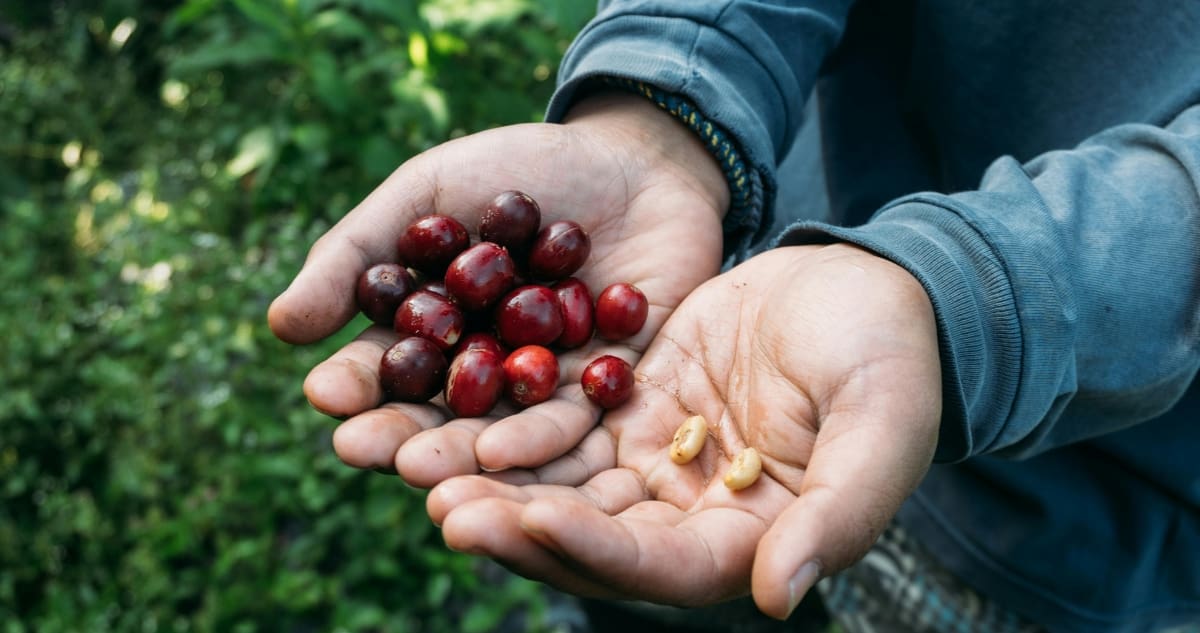
Added to this is altitude, climate, soil, and rainfall. These decide pacing, cadence, and emphasis. Cooler conditions generally allow acidity and aromatics to develop with clarity. Warmer conditions bring sweetness and body forward more quickly. A coffee grown in one place reads like a carefully structured essay; grown elsewhere, it reads like a tabloid. And, sometimes, a cup of coffee is a struggle to make sense – like reading James Joyce or Thomas Pynchon. Something’s up, but you don’t know what. You keep reading, or you decide on a paperback instead.
Processing: Where the Editor Steps In
Washed: A Close Reading
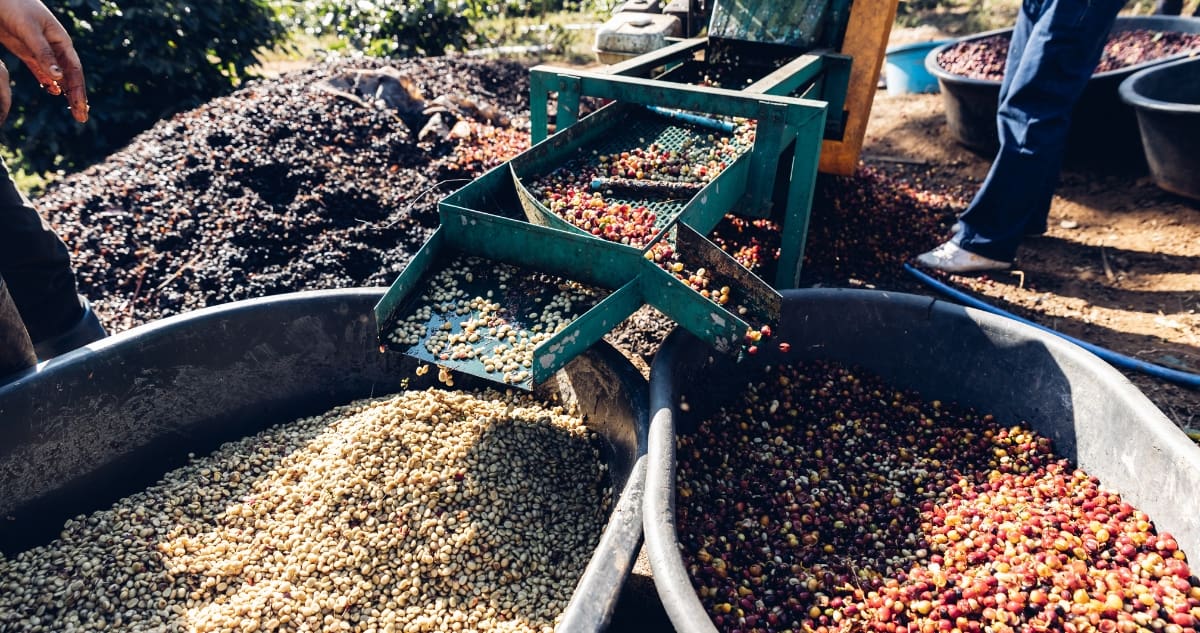
Processing is where editing becomes interpretation, and this is where styles start to really diverge. Washed processing is like careful exegesis. It is an attempt to let the bean say what it wants to say with as little editorial intrusion as possible. The skin and pulp are removed early, fermentation is managed narrowly to break down what remains, and the coffee is then dried clean. What this tends to produce in the cup is clarity, separation, and structure. Acidity reads more precisely. Sweetness feels defined rather than expansive. In other words, washed coffees are a way of understanding what the variety and the place are actually doing before anything else gets layered on top.
Natural: Letting the Margins Speak
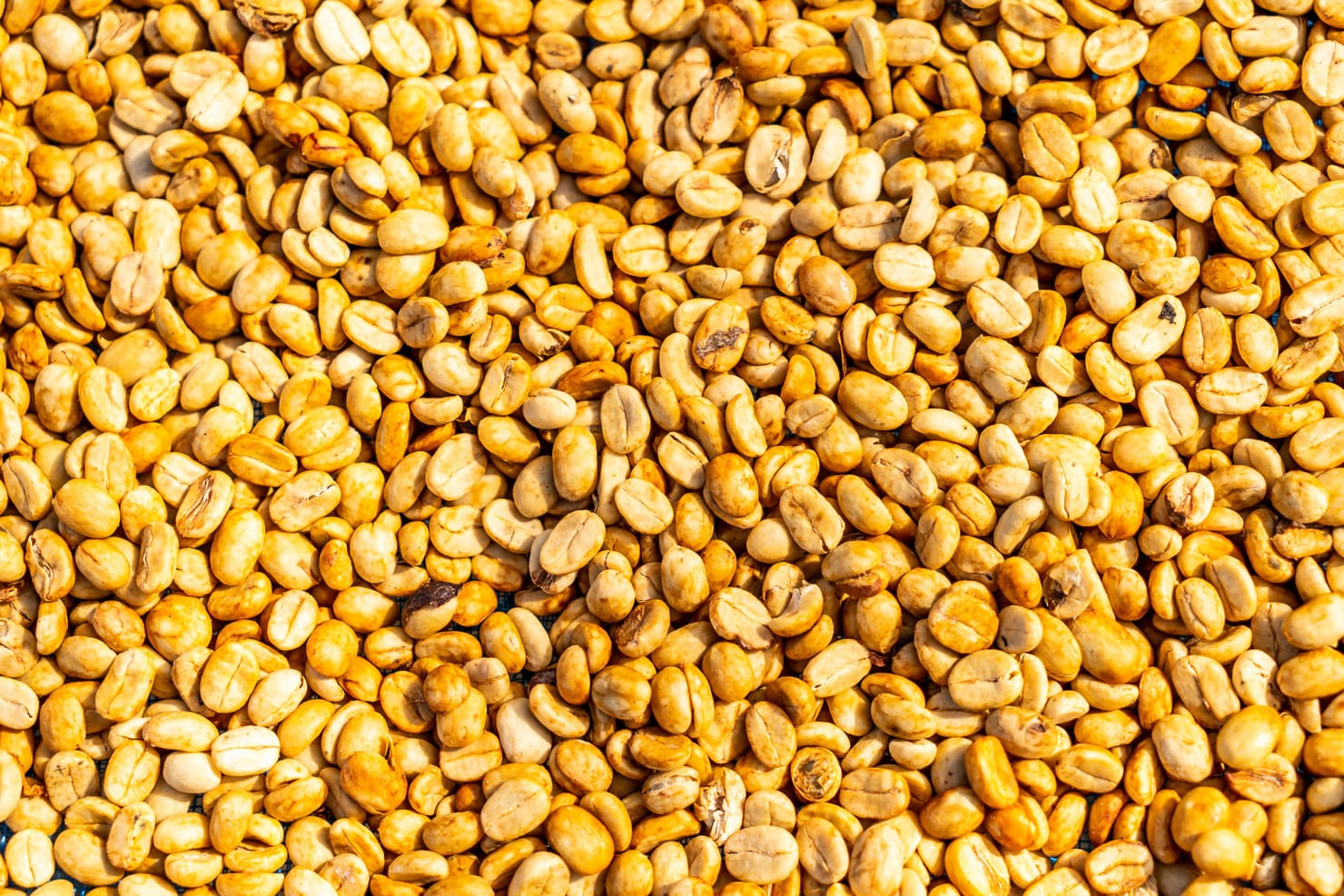
Natural processing tells a very different editorial story. That’s because it layers things on top; literally, the cherry of the coffee! Historically, natural process was how coffee was made before infrastructure, water access, and centralized mills made washing possible. Entire cherries were dried intact because that was practical. In the cup, that history translates into lots of body in the cup. Because the fruit remains involved throughout fermentation and drying, its influence carries through into flavour and texture. Fruit character becomes more overt, sometimes wine-like or tropical, sometimes jammy or really funky.
Honey: The Art of Leaving Things In
Honey processing negotiates between these two positions. The skin is removed, but some or all of the mucilage is left clinging to the seed as it dries. The result is that body increases while structure remains visible. Honey processing shows how small editorial decisions can shift tone without rewriting the text, offering a middle path between restraint and devil-may-care indulgence.
Anaerobic & Co-ferments: Writing Over the Text
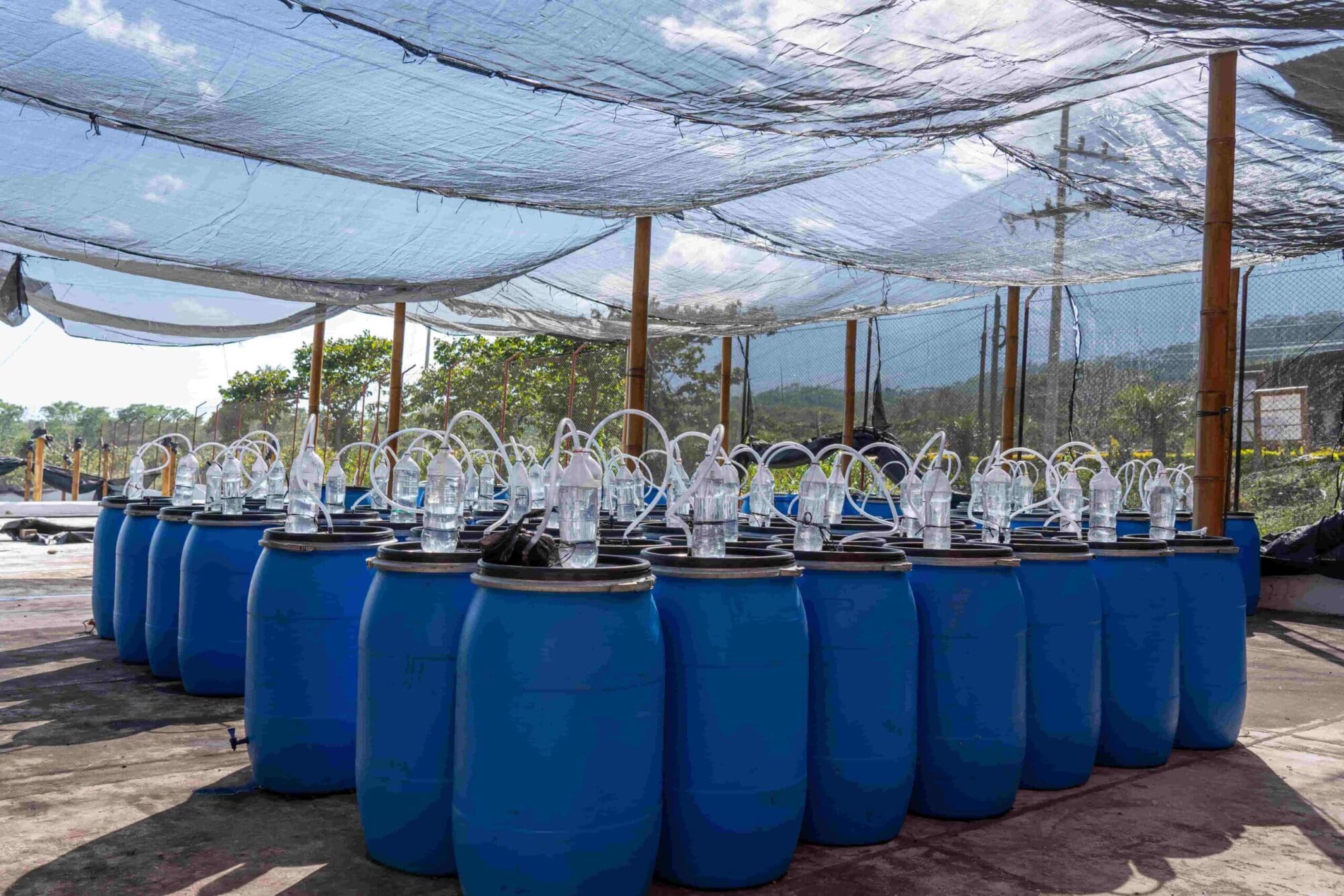
In all of the processes above, the bean is fermented. So, what happens when we play with this fermentation? In washed coffees the remaining mucilage ferments off the bean in large vats of water before it dries. In natural and honey processes, the cherry or mucilage ferments as the coffee dries. But, with anaerobic methods, fermentation is an intentional intervention that happens first (a process borrowed from making wine). Unlike washed methods, this occurs in sealed environments where oxygen is restricted and moisture is held in place. Time, temperature, and pressure are tightly controlled, allowing microbial activity to continue without being slowed by drying. Co-ferments push this further by introducing additional sugars, steering flavour before the coffee ever reaches the drying bed.
Roast as Emphasis
Roast does not change what a coffee is capable of, but it strongly influences what rises to the surface and what recedes. Lighter roasts preserve more of what was shaped upstream. Acidity remains articulate, aromatics stay intact, and differences in variety, region, and processing are easier to trace, even if they ask more attention from the drinker. These coffees can feel precise, maybe perhaps demanding (if you’re used to dark roasts), because they leave less hidden behind caramelization and smoke.
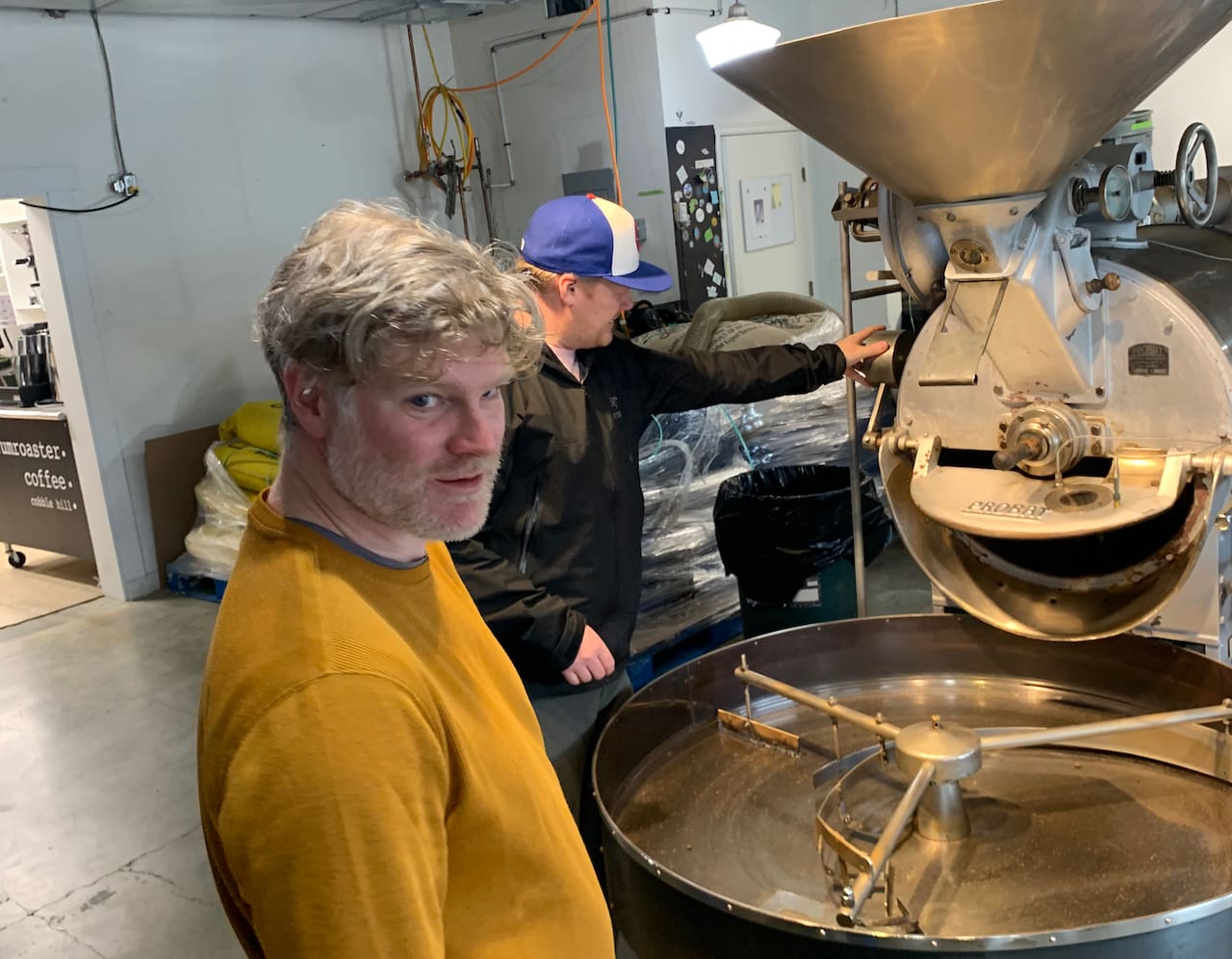
As roast gets darker, heat begins to smooth differences out. Sugars caramelize further, acids soften or collapse, and aromatics give way to weight, bitterness, and roast-driven flavour. Distinctions between regions and varieties compress, not because they were never there, but because higher heat pushes the coffee toward a narrower band of expression. The result is a cup that feels less bright, one that performs reliably with milk, sugar, and repetition.
The Last Filter
Brewing is the last filter, literally! Brewing doesn’t change what the coffee contains, but it decides what you notice first and what steps back. Instead of thinking about brewing in terms of strength or acidity, it’s more useful to think about what each method tends to bring forward.

Pour-over is about clarity. With a pour-over, paper filters remove oils and fine particles, so acidity, aroma, and structure are separated-out and stand on their own. That means when a coffee is balanced, it’s obvious. When it isn’t, there’s nowhere for it to hide. Espresso does the opposite. It compresses everything. High pressure and short extraction turn complexity into density, amplifying sweetness and body while narrowing the range of expression. Differences in origin and variety are still there, but they sit beneath crema and weight. Espresso is great at cohesion, which is why it loves milk and sugar.
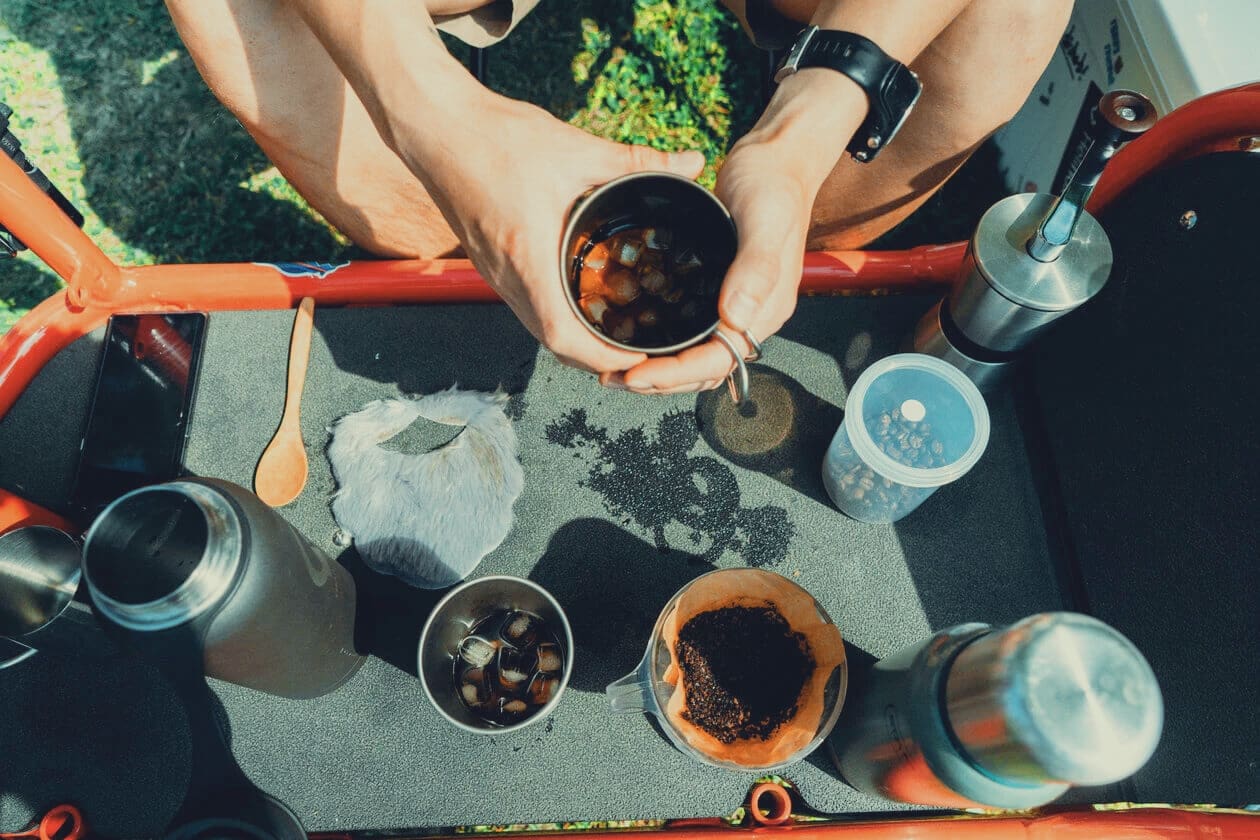
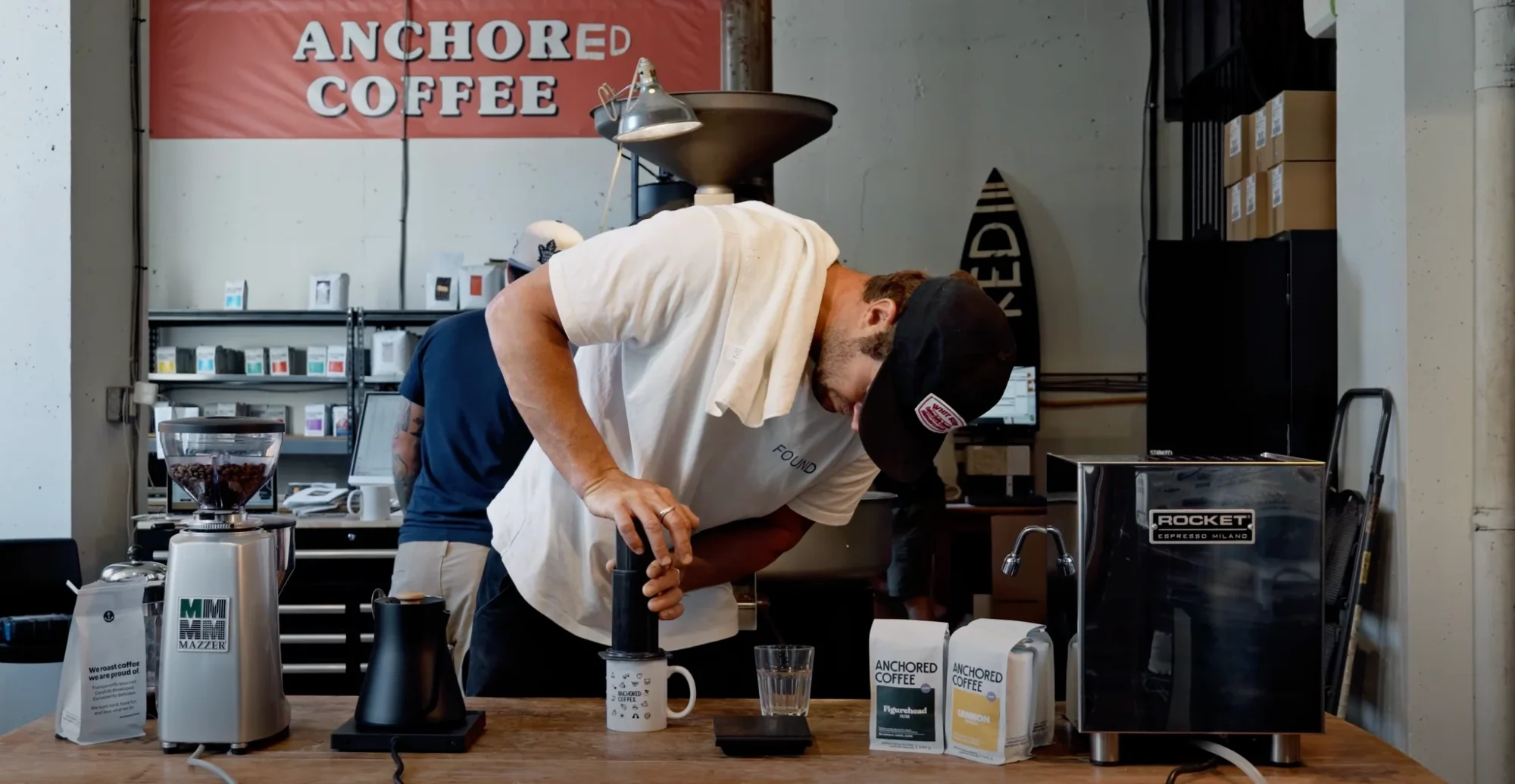
French press does less separating and more gathering. Oils and fine particles stay in the cup, softening acidity and knitting flavours together. Coffees that thrive on body and sweetness often feel more convincing here, while highly structured or aromatic coffees can feel a bit blurred. AeroPress refuses to choose sides, which perhaps explains the wildly diverse Aeropress Championships. With just a few small changes, it can behave like a clean pour-over, a soft espresso, or something in between. That flexibility makes it a favourite for people who like to experiment rather than settle.
Finding Yourself in the Cup
Drinker identities make the most sense when they’re understood as habits of attention rather than fixed preferences. What changes from person to person is not whether coffee is “good” or “bad,” but what shows up first in the cup and what feels satisfying once it does. Brewing method usually sets that frame before anything else happens. Roast reinforces it. Processing nudges it along. Region and varietal decide what’s even possible on a meta level. In any case, the cost of entry is so low that it allows you to play and make mistakes.
How to Read Coffee for Comfort
Some people come to coffee looking for something that settles them. These are the drinkers who want a cup that has no sharp edges. no sudden spikes of acidity and where flavours arrive together and not in sequence. Brewing methods that keep texture in the picture tend to work best here. French press, batch brew, and milk-friendly espresso all do a bit of blending on the drinker’s behalf.
This is the comfort zone most industrialized coffee is engineered to live in. Medium and darker roasts slow everything down, thicken the cup, and let caramelized sugars take the wheel. Natural and honey processes lean into the same zone, especially in warmer places like Brazil, where sweetness piles up and edges soften on their own. Bourbon, Typica, Mundo Novo, Maragogype, a well-handled Catuai tend to be the dominant varieties. Nonetheless, if you take these varieties to higher altitudes, roast them lighter, or brew them with less cushioning, the beans brightness will start asking questions. Like you, they have a wild side too.
How to Read Coffee for Balance
Other coffee drinkers are listening for proportion. They want a cup where nothing grabs the mic and nothing drops out of the mix. Sweetness and acidity arrive at the same moment, body does its job without flexing, and the cup holds together from first sip to last. Pour-over and well-set filter machines tend to land cleanly here, as does espresso when it’s built on sweetness instead of pressure. Roasts stay restrained. Processing stays tidy.
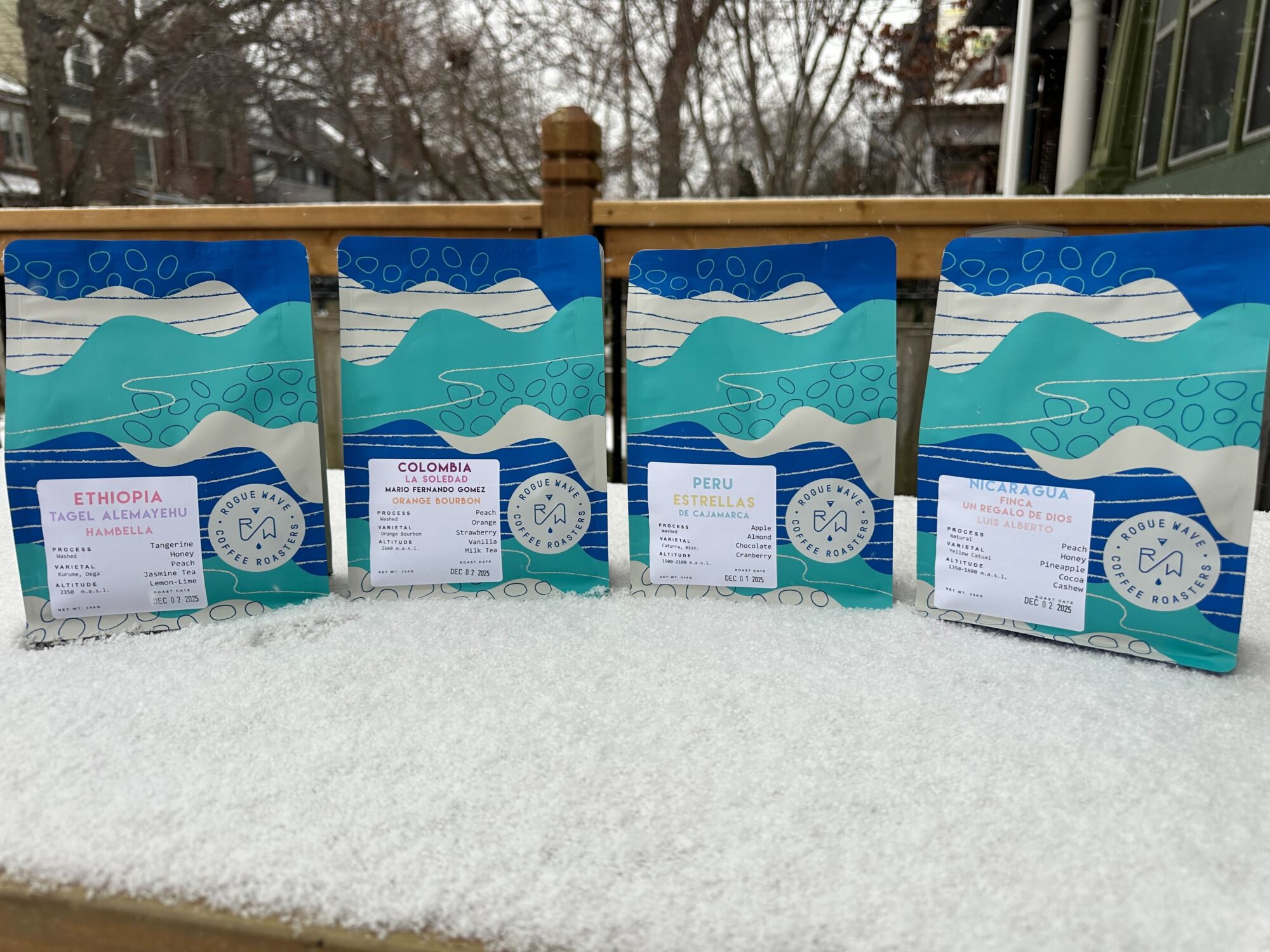
Washed coffees show up often because they keep the signal clear and the noise out. Central America appears again and again in this part of the map, largely because its climates and elevations reward restraint. Caturra, Pacas, Villa Sarchi, and certain Bourbons are the varieties we usually see here. And, once again, if we push elevation higher or let fermentation run a little longer the composure starts to tilt. Acidity sharpens at the front of the tongue, sweetness firms up, and the finish trades weight for lift.
How to Read Coffee for Structure and Separation
Then there are drinkers who want separation. They want to taste where one flavour ends and the next begins. Pour-over is the obvious home, though clean, high-clarity espresso can land here too when it keeps its posture. Roasts stay light enough to keep edges intact. Processing steps back. Washed coffees dominate because they keep the picture sharp.
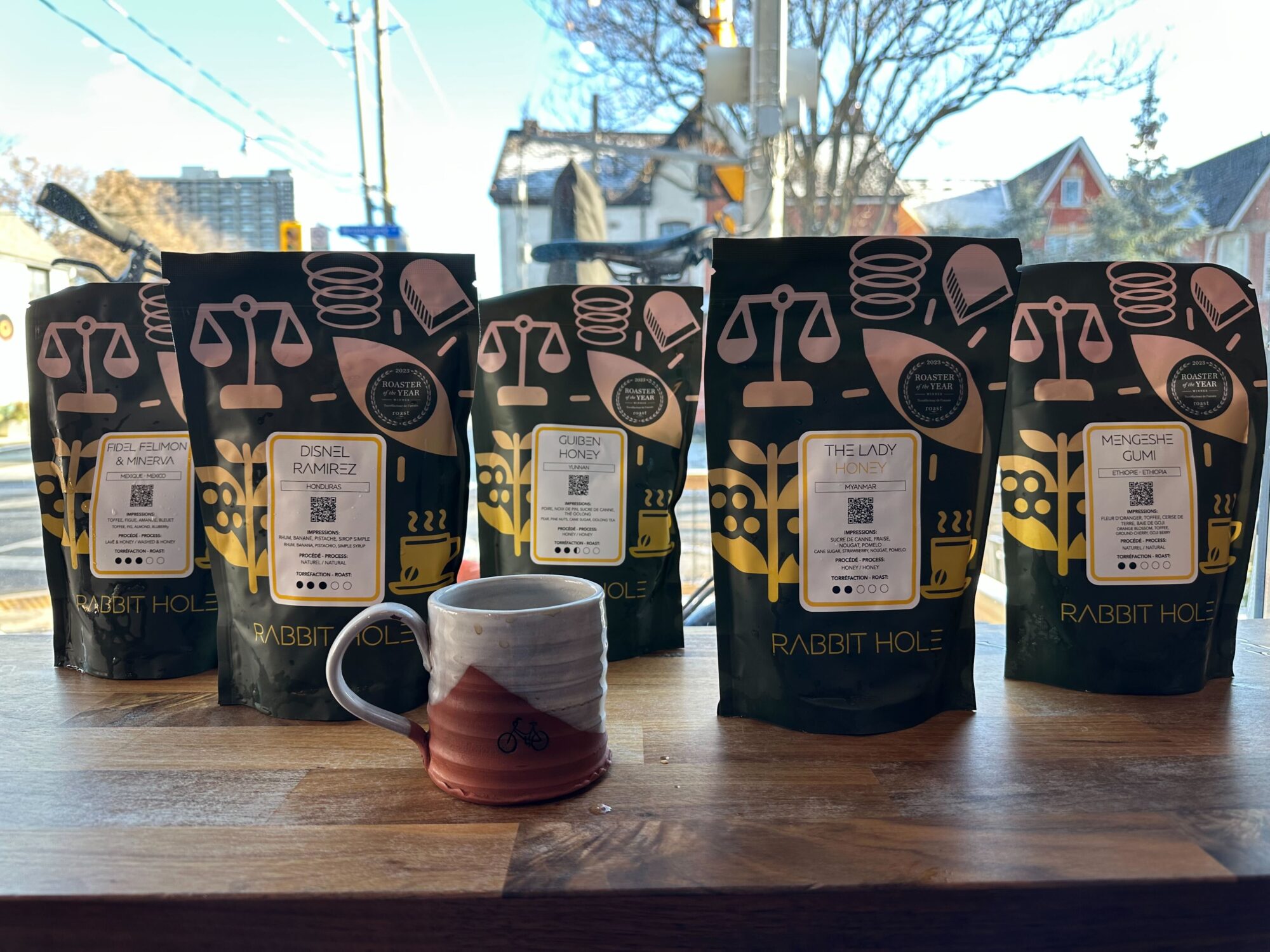
Elevation matters because slower growth tightens everything up and pulls flavours into focus. East Africa shows up often, along with cooler pockets of Central America. SL28, SL34, high-grown Typica, Sidra, and many Ethiopian landraces thrive in this register. Citrus sits up front. Currant and cranberry cut through the middle. Black tea dries the finish. Sweetness is there, but it holds the frame instead of filling it in.
How to Read Coffee for Aroma
Some drinkers lead with their nose. Aroma arrives before the first sip and tells you how to listen. Florals lift fast, citrus oils flash, and flavour follows behind rather than taking charge. Texture stays light, almost airborne, never settling heavily on the palate. Brewing methods that protect fragrance without squeezing it flat tend to work best. Pour-over returns here, along with gentle immersion that lets aromatics escape instead of trapping them. Roasts stay restrained. Processing stays careful. Washed coffees and lightly handled honeys keep the picture readable.
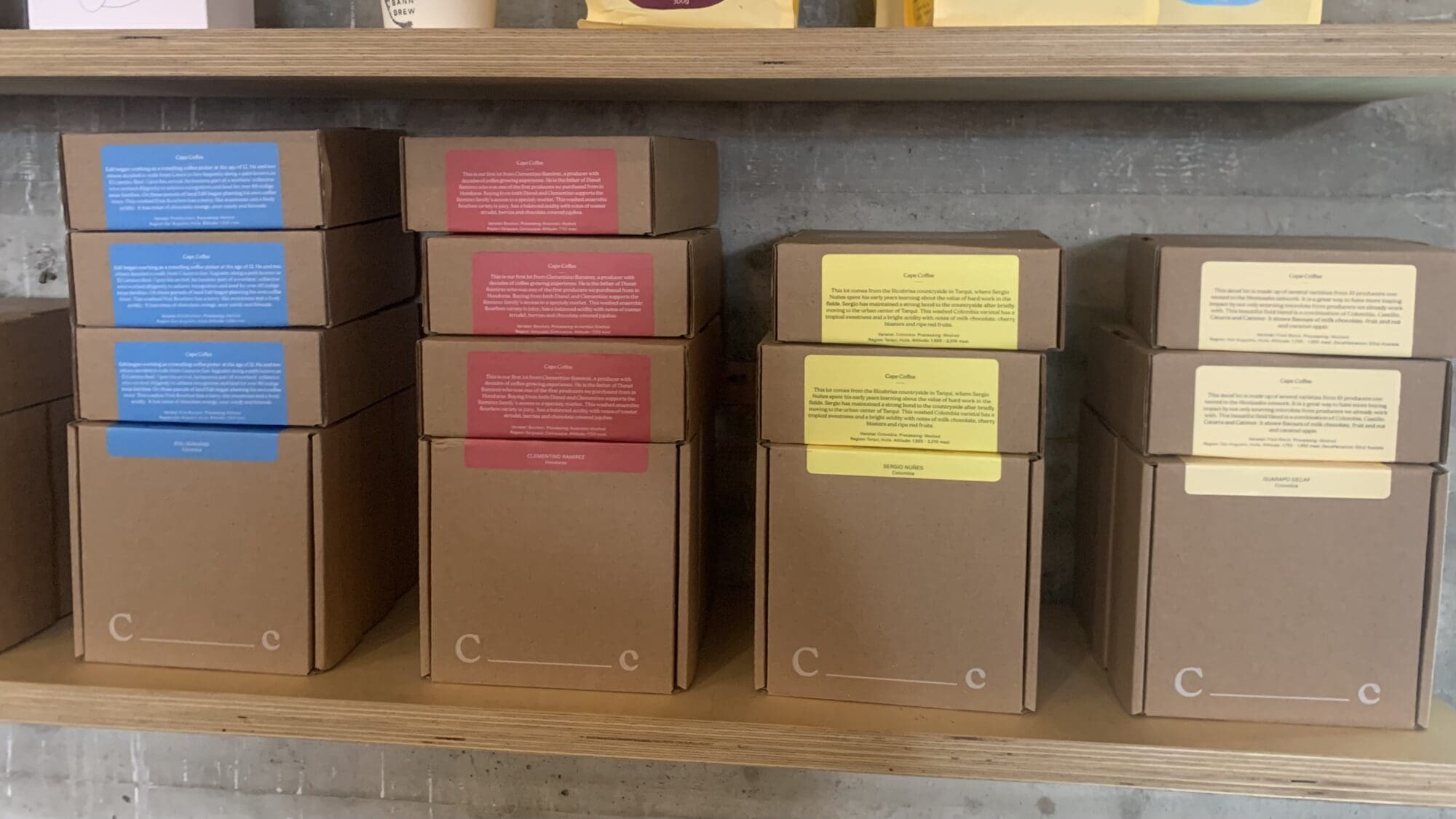
Slow growth and maturation matters because it concentrates aroma without adding weight, which is why altitude keeps showing up. Geisha is the obvious reference, but Ethiopian heirloom populations open the field wide. Pink Bourbon often balances sweetness with florality. Laurina stays faint and delicate. Yemenia-derived lineages feel perfumed and slightly strange in the best way. Add more heat or push fermentation harder and the centre of gravity drops. Aroma fades, texture thickens, and the cup stops floating.
How to Read Coffee when Difference is the Point
And then there are drinkers who come to coffee for contrast. They want cups that don’t line everything up neatly, where flavours arrive out of order and refuse to blend themselves for you. One sip might lead with acidity, the next with fermentation, the next with something savoury or spiced. Brewing becomes a way of shifting the frame rather than settling on a single answer. AeroPress shows up often because small changes actually matter. Pressure, dilution, contact time; move one and the cup changes shape.

Roast and processing stop trying to disappear. Anaerobics, co-ferments, extended fermentations, unusual drying methods; these choices announce themselves in the cup. Texture can swing from light to syrupy. Sweetness might come late or stay in the background. Some cups feel almost unfinished, others feel overloaded, and that tension is the point. Origin and variety matter less as signatures and more as starting conditions. Ethiopian heirlooms, Java, Bourbon, Catuai, modern hybrids like Castillo; all of them can live here. Many of these coffees could be pushed back toward balance or comfort. What places them here is the decision not to. Difference isn’t an accident. It’s the thing you’re tasting.
Bringing the Rest of the World in
We started with two cups most Canadians know all too well: Tim Hortons and Starbucks. As we’ve seen, the difference is primarily about roast, with the varietals, processing, and region backgrounded in the name of industrial scale. That’s boring! Luckily, Toronto has an incredible roasting scene that goes deep on origin, varietal, and processing, and roasting. But, this scene also tends towards roasting for the balanced coffee-drinker, and tends to lag behind leaders – think Scandinavia, West Coast America – that are more exploratory, aroma-led, or energy oriented.

This is where Pedaal comes in. Anyone who has bought a bike from Pedaal knows that we are importers. We import because importing widens what’s possible. When it comes to coffee, that same instinct leads us outward. We bring in Nordic roasters architecturally focused on aroma and clarity, West Coast roasters who chase brightness and lift, and others who are happy to leave the edges showing if that’s where the character lives. So, swing by the shop and try something new. It could be a whole new way of getting around the city, or it could be other daily rituals, like de-industrializing your morning coffee. The world is big, make it bigger!