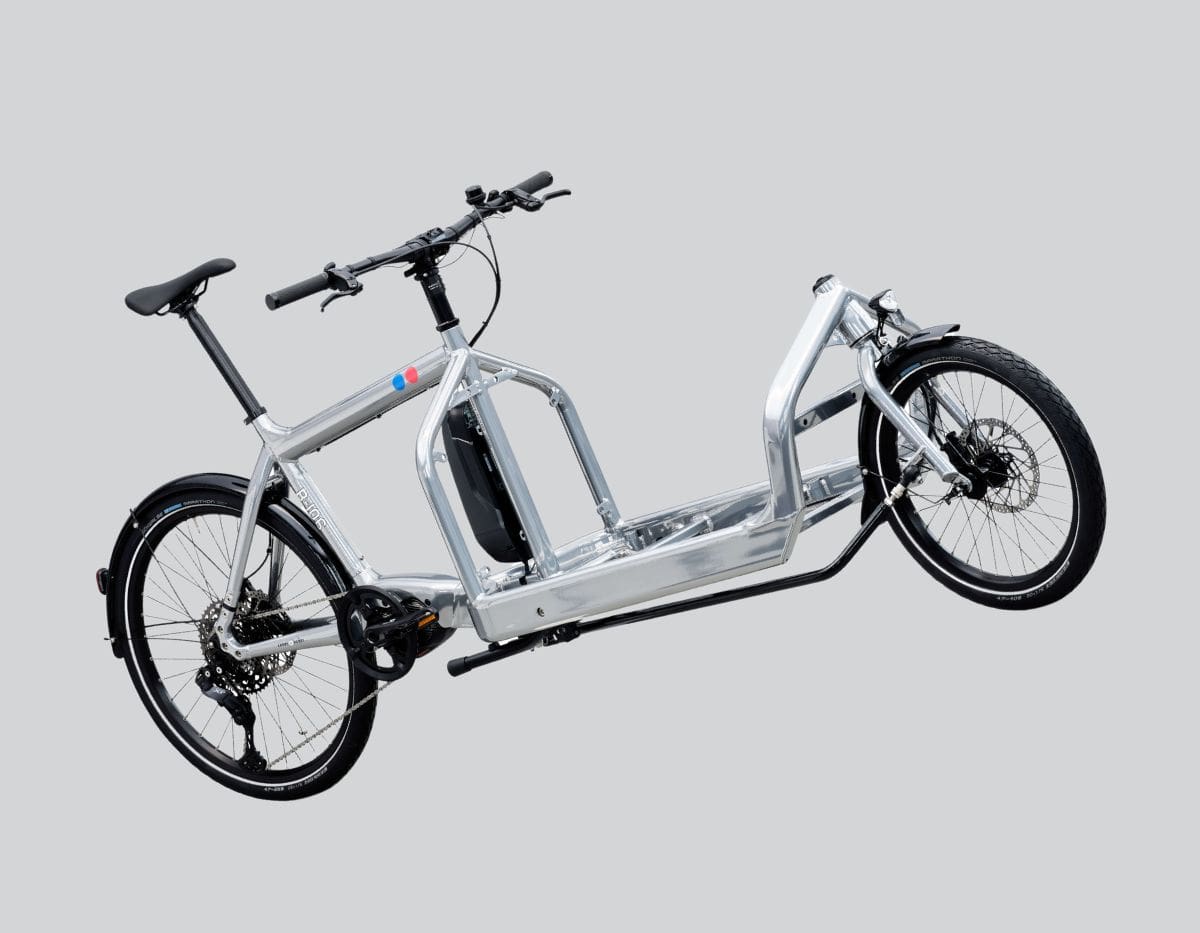
We believe Bullitt makes the best cargo bike in the world because its modular flatbed can become whatever you need it to be. The same bicycle can deliver packages for FedEx, carry children to school, collect groceries on the way home and become a genuinely enjoyable commuter once the children begin riding independently. Unlike its competition, a Bullitt is not really a box-bike until you add one, and this may be exactly what makes it the best box bike ever made. The best box, however, may not come from Bullitt. Not for Canadian families, anyway. We’ll explain why, but first, we’d like North America to meet Hardus Boxes from Germany.
Not So Fast, Kiddo.
Unfortunately, Bullitt’s family products contain one very Danish assumption: that children will begin riding their own bikes before they become too large to carry. You can see this with Bullitt’s plug-and-play child-carrying options. The Bullitt Canopy Kit fits two small children, but its low roof quickly becomes restrictive as they grow. Meanwhile, the BBX kit work best with one child (and offers no integrated weather protection). All of this makes sense in Copenhagen, where safe cycling infrastructure allows children to gain their independence relatively early. However, here in Canada, parents feel far safer carrying their children for longer.
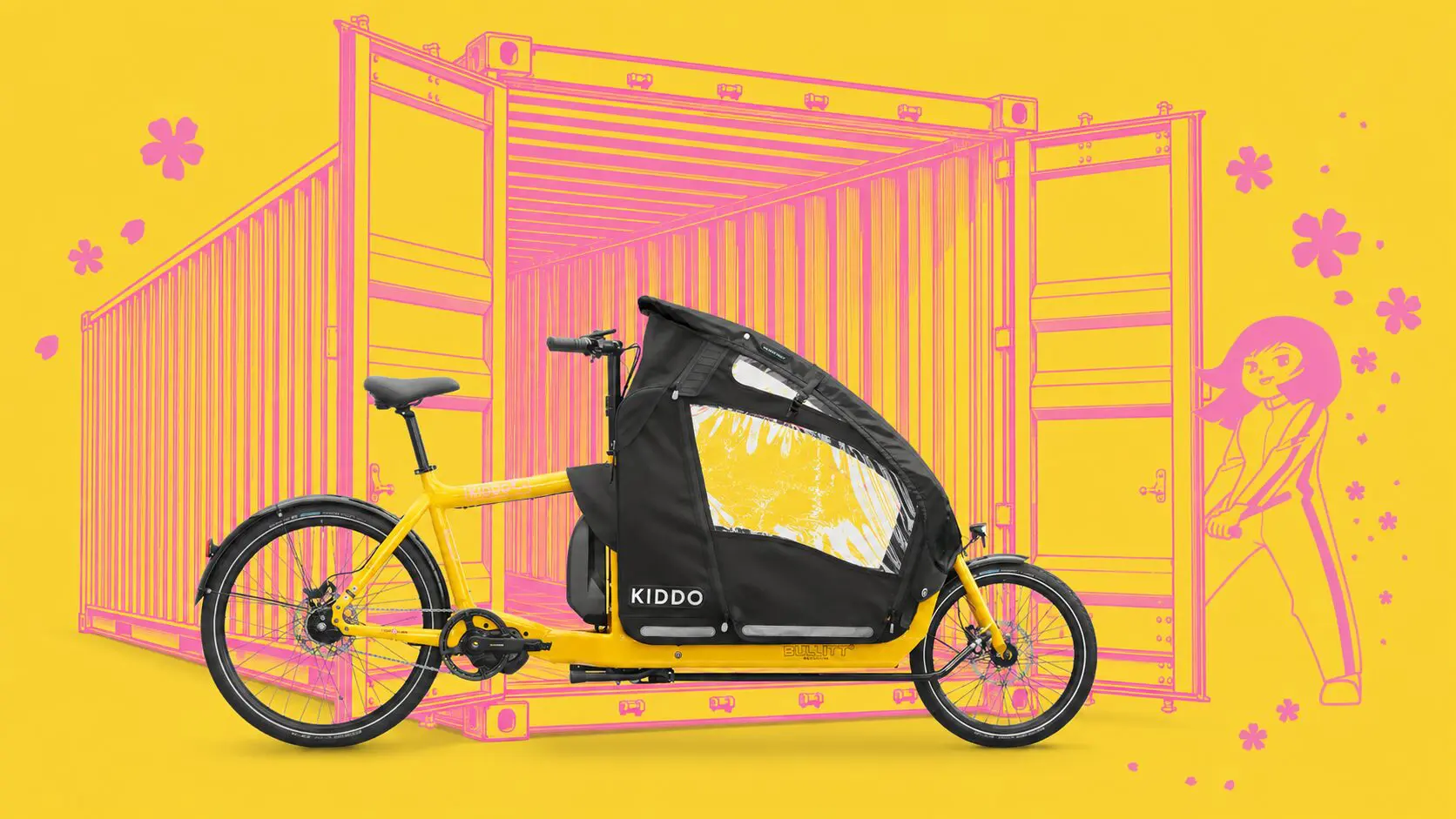
In 2026, Bullitt finally introduced a larger family model called the Kiddo, following years of requests from dealers (especially Pedaal) for a better way to carry bigger children. Unfortunately, the Kiddo was offered as a complete bicycle rather than an accessory for the thousands of Bullitts already on the road. Even more perplexingly, this complete bicycle was shipped completely assembled. One look at our freight costs made it clear that this supposedly global solution was really only going to sell in Denmark. As they say: not so fast, Kiddo.
Open Source, by Design
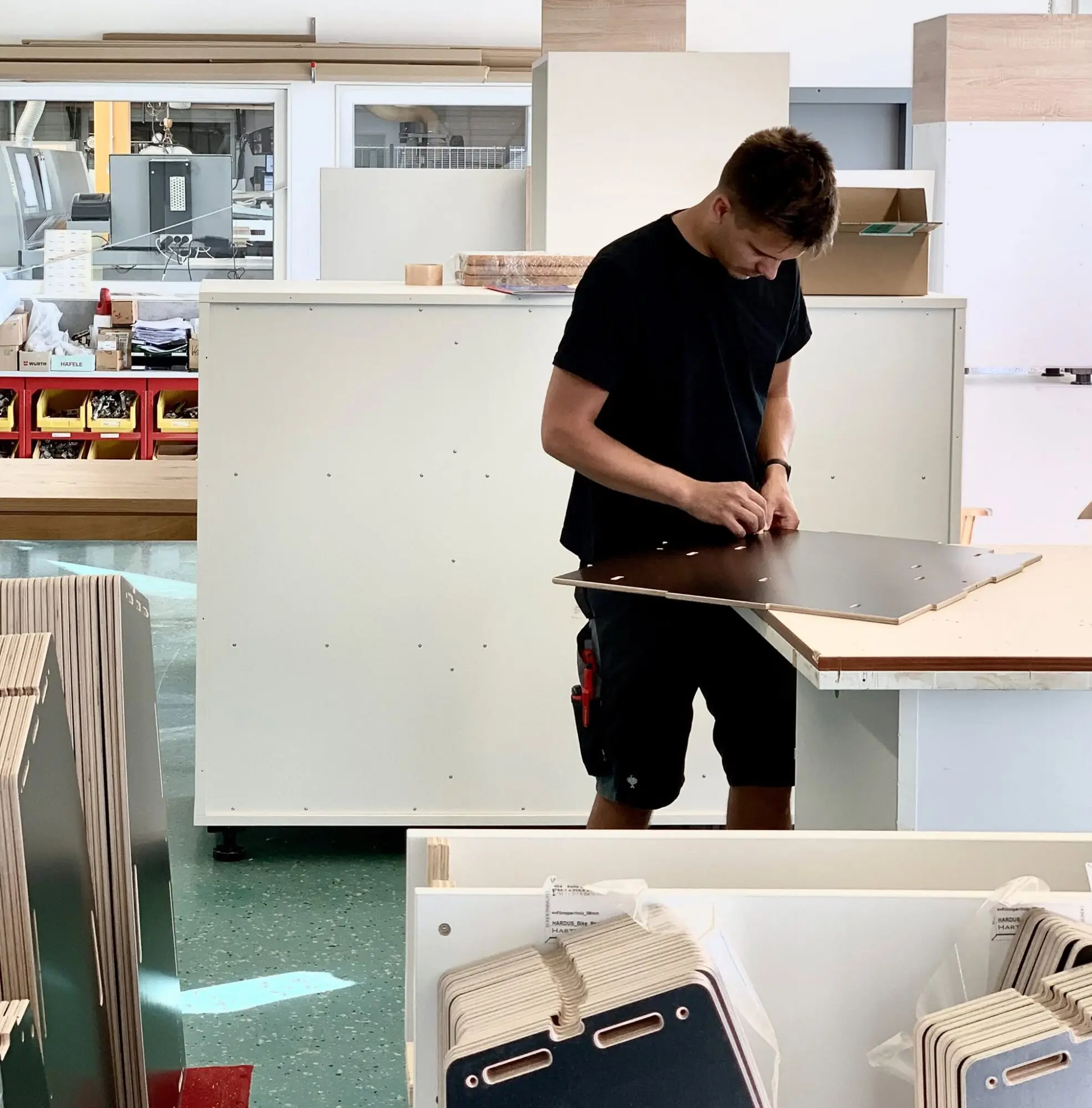
Hardus Velofurn is a small manufacturer working from a cabinetmaking shop in Mühlhausen, Thuringia. Its box gives Bullitt families approximately 160 litres of space and enough room to carry two growing children without turning the bicycle into a minivan. It weighs only about 7.2 kg – about the same weight as Bullitt’s plug-and-play options – and arrives economically flat-packed. It can be equipped with a bench, three-point harnesses, a canopy, a simple tarpaulin cover or an Isofix mount. An LT version adds a side door, making it easier for children or dogs to climb inside without being lifted over the wall.
Not So Fast, Kiddo.
In fact, Hardus is not merely a more practical alternative to the Kiddo; it might be the better family box. The Kiddo is essentially Bullitt’s attempt to build a larger canopy. The Hardus canopy still has it beat. While the Kiddo’s roof still ends below the handlebars, the Hardus canopy fits over top of them, allowing the rider to steer inside the canopy (much like an Urban Arrow). This creates enough headroom for a full-grown adult!! In short, the Hardus is wider where width is useful and taller where height is useful. Bullitt may build the best cargo bike, but Hardus – at least at this moment – builds the best box.
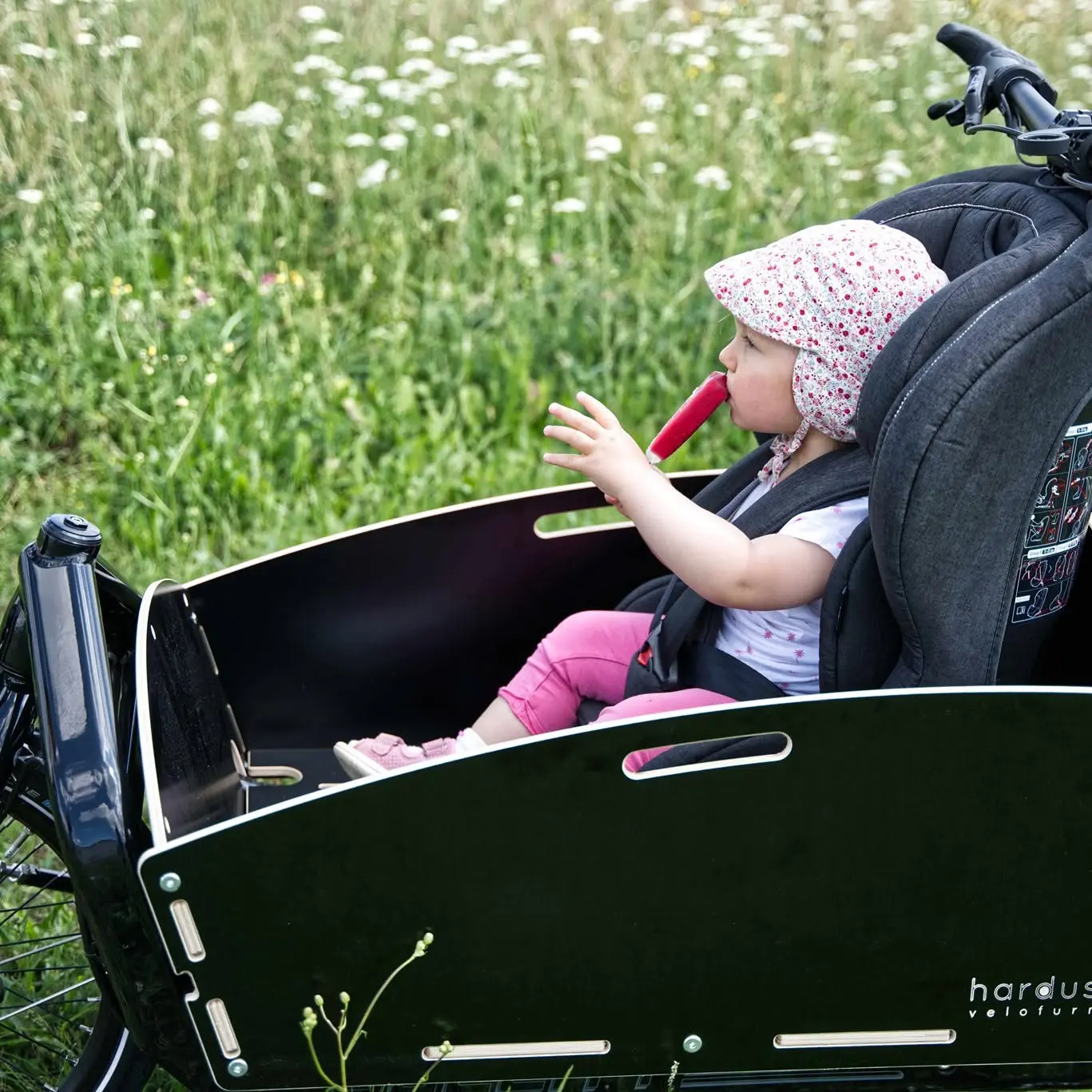
This comes down to design ecosystem. The reason Hardus exists is because German Bullitt owners face much the same problem as Canadian ones. Most of Germany was designed around the car, and while its cycling infrastructure may be well ahead of ours, it remains nowhere close to Copenhagen’s in any shape, way or form. German families therefore continue carrying children beyond the age imagined by Bullitt’s Danish family accessories. In short, Denmark gave the world an adaptable bicycle; Germany gave Canadian families the box it was missing.
A Kilogram Well Spent
The earliest cargo bikes generally used wooden boxes for good reason. Wood is stiff, quiet, repairable and exceptionally impact resistant, which is a critical quality for any cargo box and especially one carrying children. Its traditional disadvantage is weight, but Hardus builds the Box L from 9 mm phenolic-resin-coated plywood and keeps the complete structure to approximately 7.2 kg.
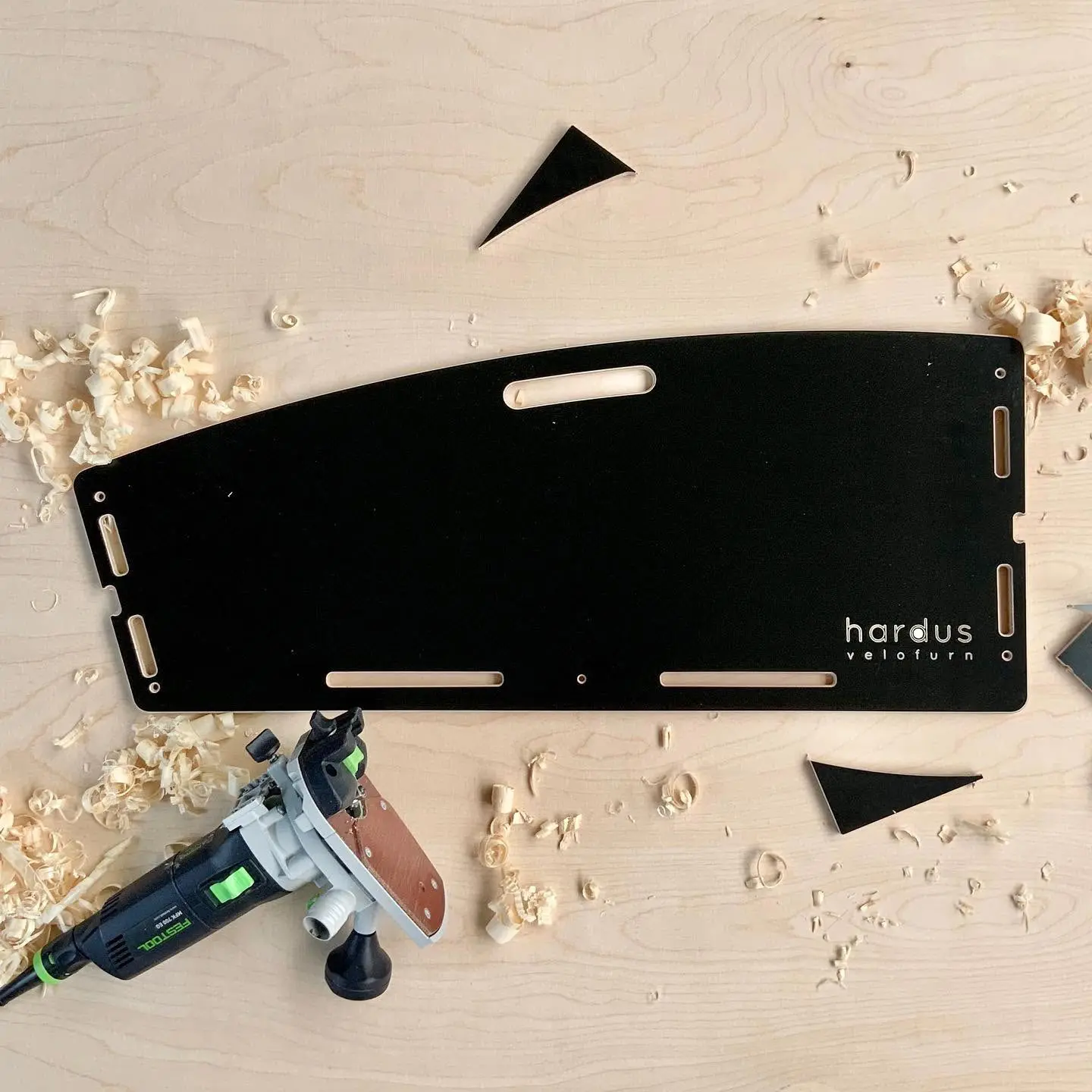
For comparison, Bullitt’s considerably narrower Honeycomb Board and BBX side panels weigh roughly 6 kg together. For little more than a kilogram, Hardus provides substantially greater width and height along with a fully enclosed 160-litre box. OpenCargo lists the box at approximately 7 kg, while Hardus provides its full dimensions and construction details here.
Flat-Packed, Open-Ended
The craftsmanship is apparent in how the box fits together. Its panels are precisely machined and joined using a plug-in system with cross-nut bolts. Assembly requires a 4 mm Allen key, a 13 mm wrench and approximately ten minutes. Unlike the Kiddo, which arrives as a fully assembled box on a complete bicycle, Hardus ships flat packed. This keeps freight costs low enough that a complete Hardus family system costs less than any of Bullitt’s own child-carrying systems, despite providing substantially more room.
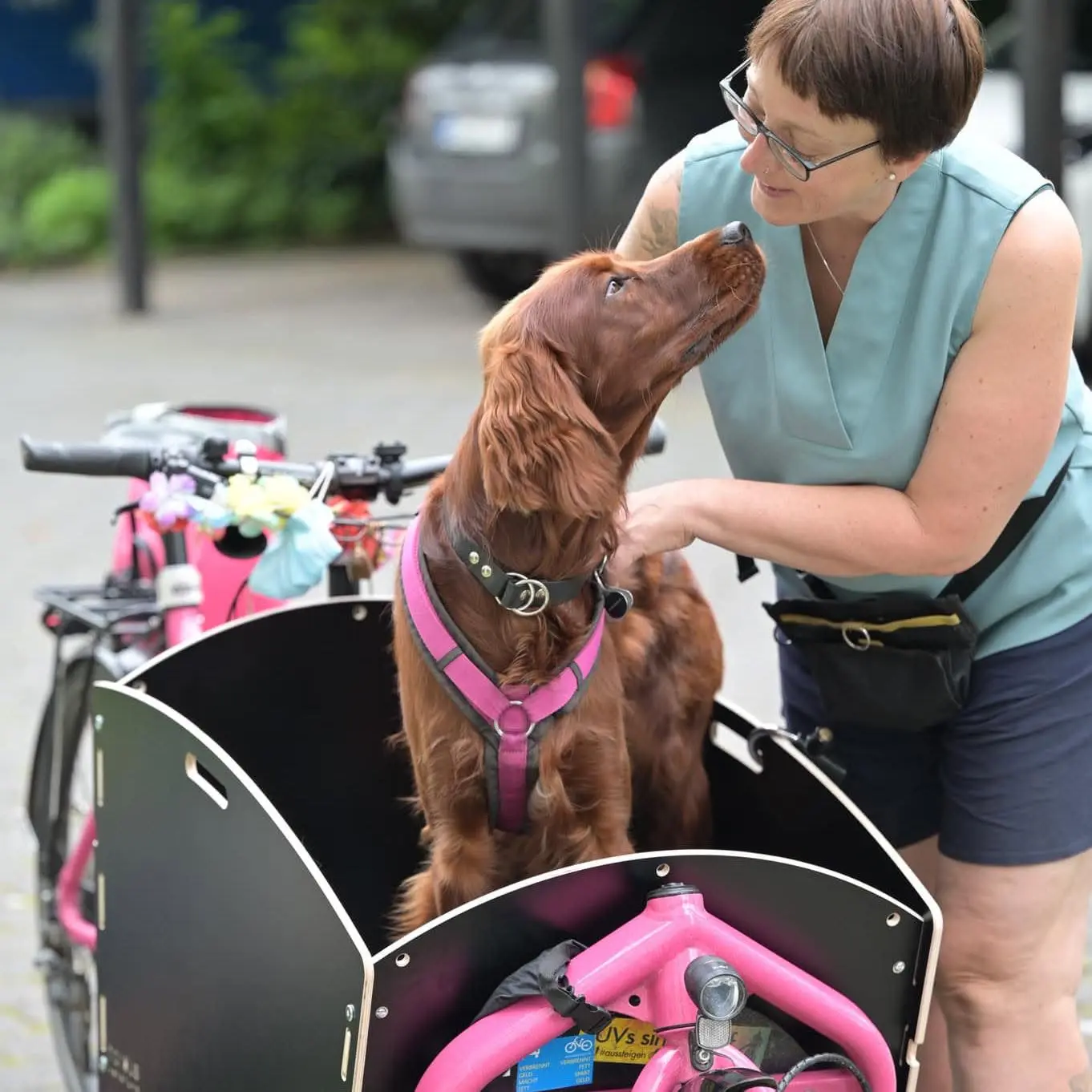
Most importantly, Hardus remains a box rather than becoming the default identity of the bicycle. Unlike other cargo bike brands, when the children outgrow the box, the entire system can be removed and replaced with another box, a bag or nothing at all. That’s why the OpenCargo website is so much fun; you can extend the use of your Bullitt far beyond carrying children. With most cargo bikes, once the children move on, the bike usually does too. With Bullitt it simply enters the next chapter.