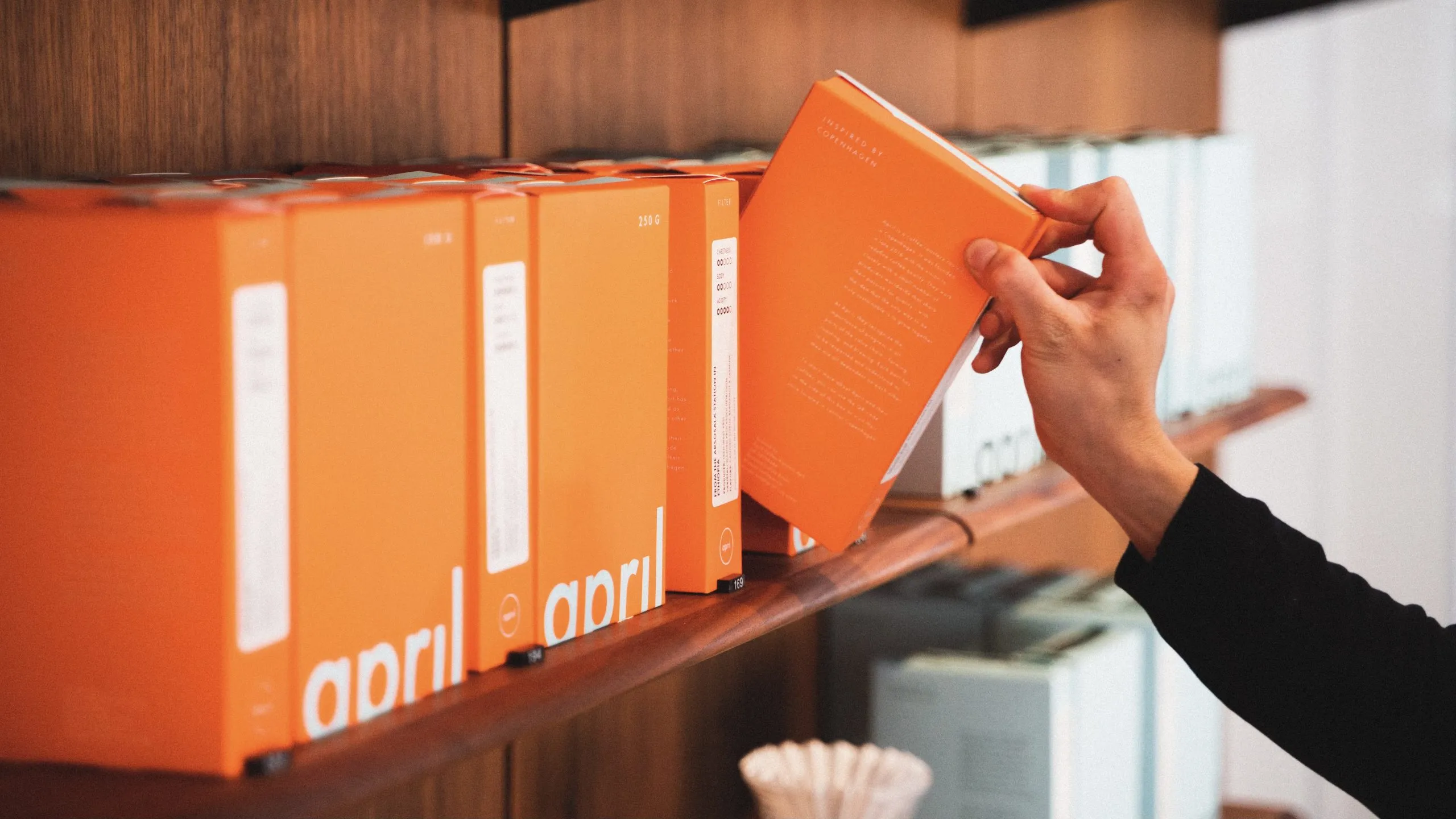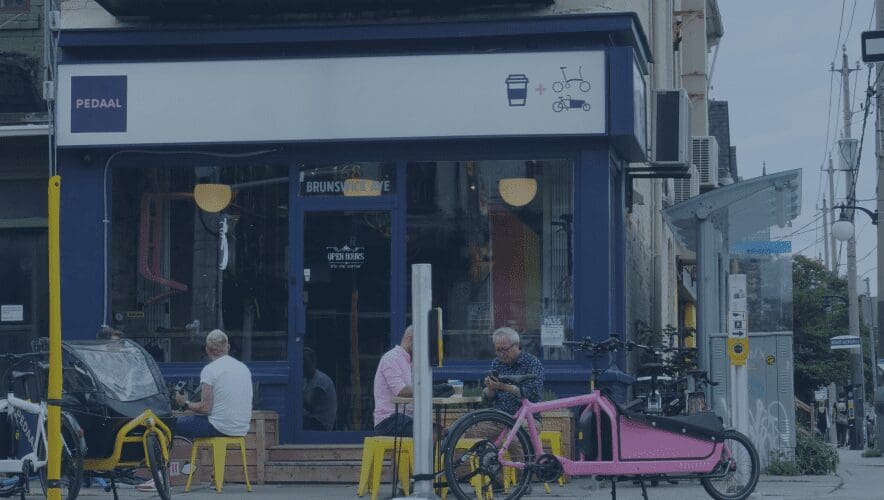
When we started Pedaal, we had already spent much of our working lives importing European bicycles to North America. It began with the Netherlands, where riding a bicycle is about as ordinary as having a cup of coffee. That’s became our mission, which is why our name, Pedaal, is Dutch. However, our mission took us away from Dutch bikes and, rather unexpectedly, back to Dutch coffee. Perhaps what goes around, must come Dak!
Heavy Lessons from Holland
We imported Dutch bikes for years, thinking they could offer a global answer to the problems of gridlock. Indeed, once planted in the North American market, they offered things that no other bike did. Chain-guards to keep clothing clean, a gloriously upright position, and low-maintenance instead of a million gears. But, they were also infernally and inexplicably heavy. They were, we came to realize, hardly global at all. Instead, they were a product of vernacular, a local solution to a local problem.
The Dutch pride themselves for these bikes like they are proud of their coffee. But, Dutch coffee has historically been over-roasted beans served like an Americano, but only in less water, meant to be unnecessarily strong the way a Dutch bike is heavy. Perhaps it’s the latent Calvinism, things are only meant to be enjoyed if they also teach you a lesson. (Note: the writer is of Dutch and Calvinist ancestry).
Coffee Method(ism)
Luckily things are changing, at least on the coffee side. This brings us to Dak, our current feature roaster. Dak was founded in Amsterdam in 2019 by Louis-Philippe Boucher and Véronique Lagarde, neither of whom is Dutch. In fact, they are Montrealers who moved through Milan and London before settling in Amsterdam, absorbing different coffee cultures as they went. Louis-Philippe worked in finance and venture capital; Véronique worked in marketing.
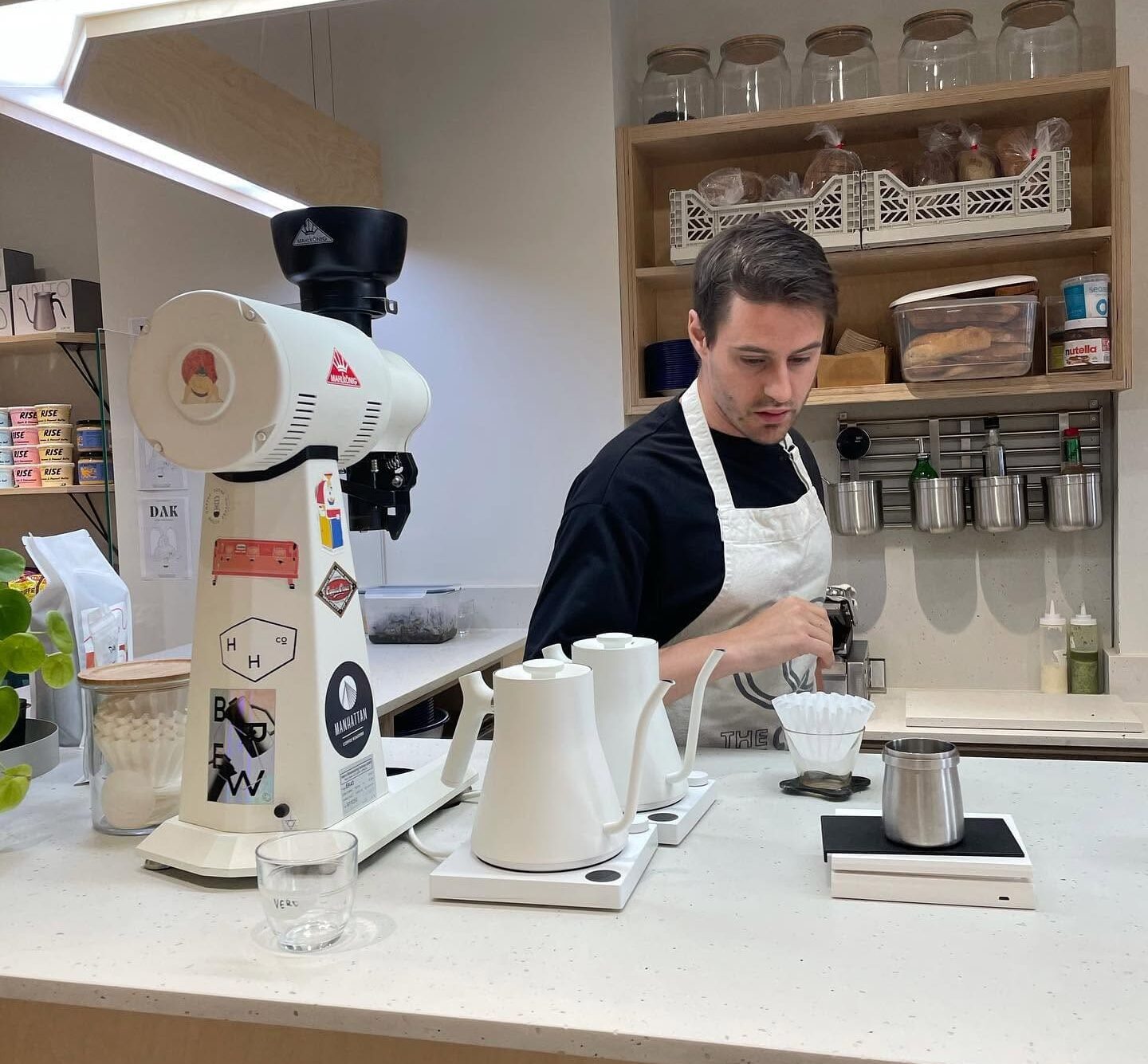
There’s a story here that we like. When we began Pedaal we were only all too aware that Toronto’s coffee roasting scene was already exemplary. The city biking scene was doing pretty good, thanks in part to us importing the proper tools, but what if Toronto’s coffee scene needed some fresh ideas too? If Holland is too Calvinist, Toronto is far too methodist. There’s an undecorative purity to the coffee culture here and those that do experiment tend to do a fairly bad job of it.
The Means of Production
That’s why Pedaal started with Traffic, a Montreal roaster. Pedaal is devoted to the problem of traffic, we liked the packaging and the coffee was excellent too (as you would expect from Montreal, the food and beverage capital of Canada). In fact, the more we imported from Montreal the more aware we became that Montreal is offering a scene not unlike Melbourne, Japan, West Coast America, or the Nordic countries. What fuels this scene is a Rousseauian collectivism that underlies the Quebecios way of living. It also is tied, in a way, to bicycles.
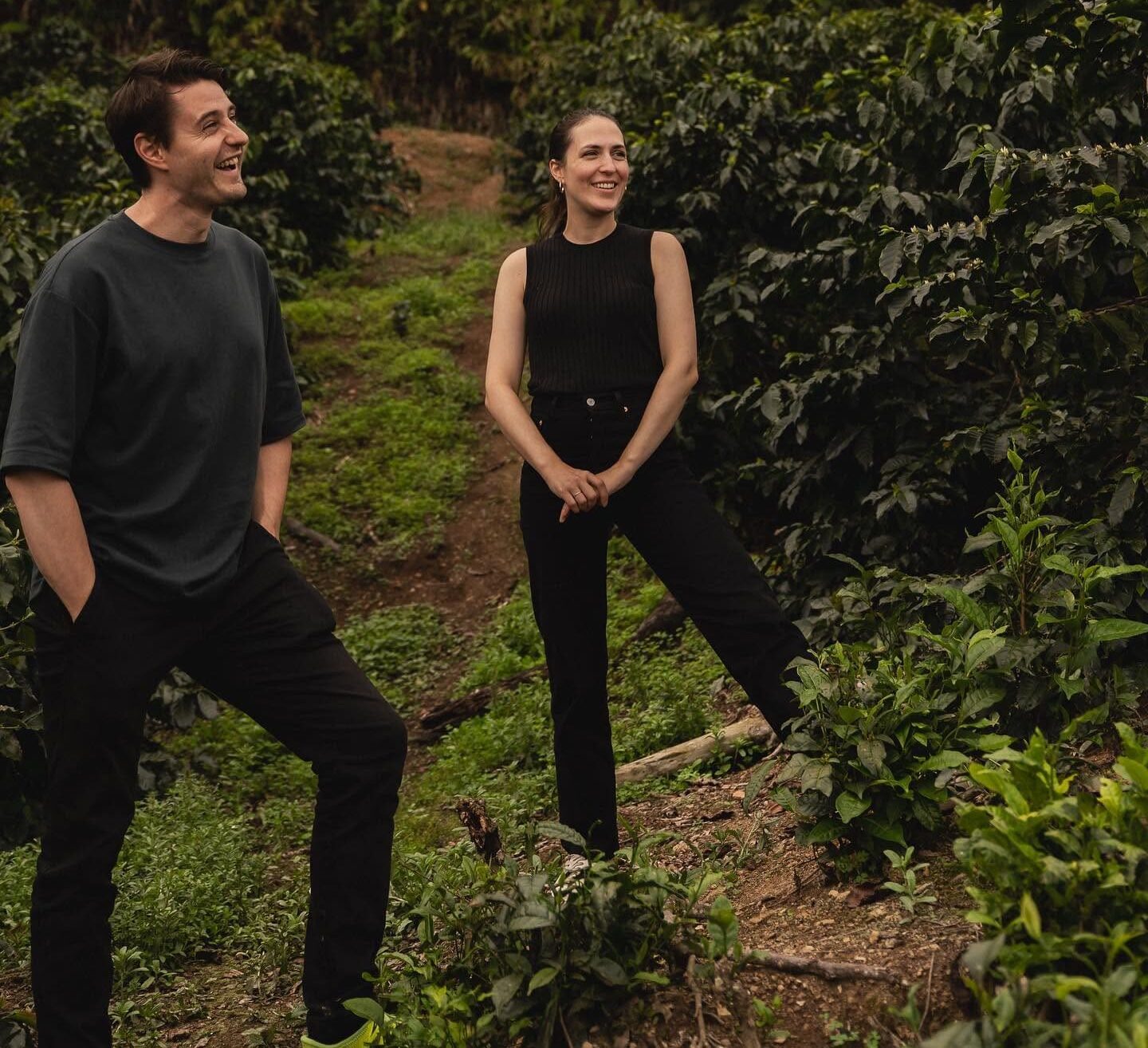
If Montreal was the first city in North America with a bike-share program, it was also the first to host a coffee-roasting co-op used by nearly all of the city’s best roasters. A Torontonian may huff that this sounds like a bunch of hippies unwilling to risk the high capital cost of starting a roastery, but huffy attitudes also produce huffy coffee. The truth is that most roasters only roast once or twice a week, leaving their machines dormant the rest of the time. A shared space scales the dead time and makes good business sense. It also raises a finger to private property, which is very Québécois. Couple this with Quebec’s almost civic commitment to joie de vivre—which, if you recall, produced legends like Joe Beef—and the results are playful, but also very, very good.
Raising the Roof
So, two Montrealers move to Amsterdam and raise the roof on the coffee scene. It’s a great story. Dak also means “roof” in Dutch and raising the roof always means providing good shelter, in this case, better coffee. Like Montreal, Amsterdam’s coffee scene was a lot of musty espressos until the Amsterdam Coffee Roasters (ACR) came along. This also was a shared coffee roasting space, which makes the story even funner. Freeing up the burdens of capital let Dak concentrate on sourcing and developing roast profiles. Quality and experimentation run the machinery, not the other way around.

Dak has become famous for coffees with tasting notes that read like a dessert menu: cardamom, pistachio, strawberry, vanilla, cherry candy and tropical fruit. We will be the first to admit that we are normally suspicious of heavily fermented coffee. Anaerobic processing and yeast inoculation can produce enormous flavours, but they can also overwhelm the coffee underneath. Fermentation can hide bad beans as easily as roasting them really dark. We have tasted plenty of experimental coffees where fermentation is all you can taste. At that point, it hardly matters what beans were used.
Have your Cake
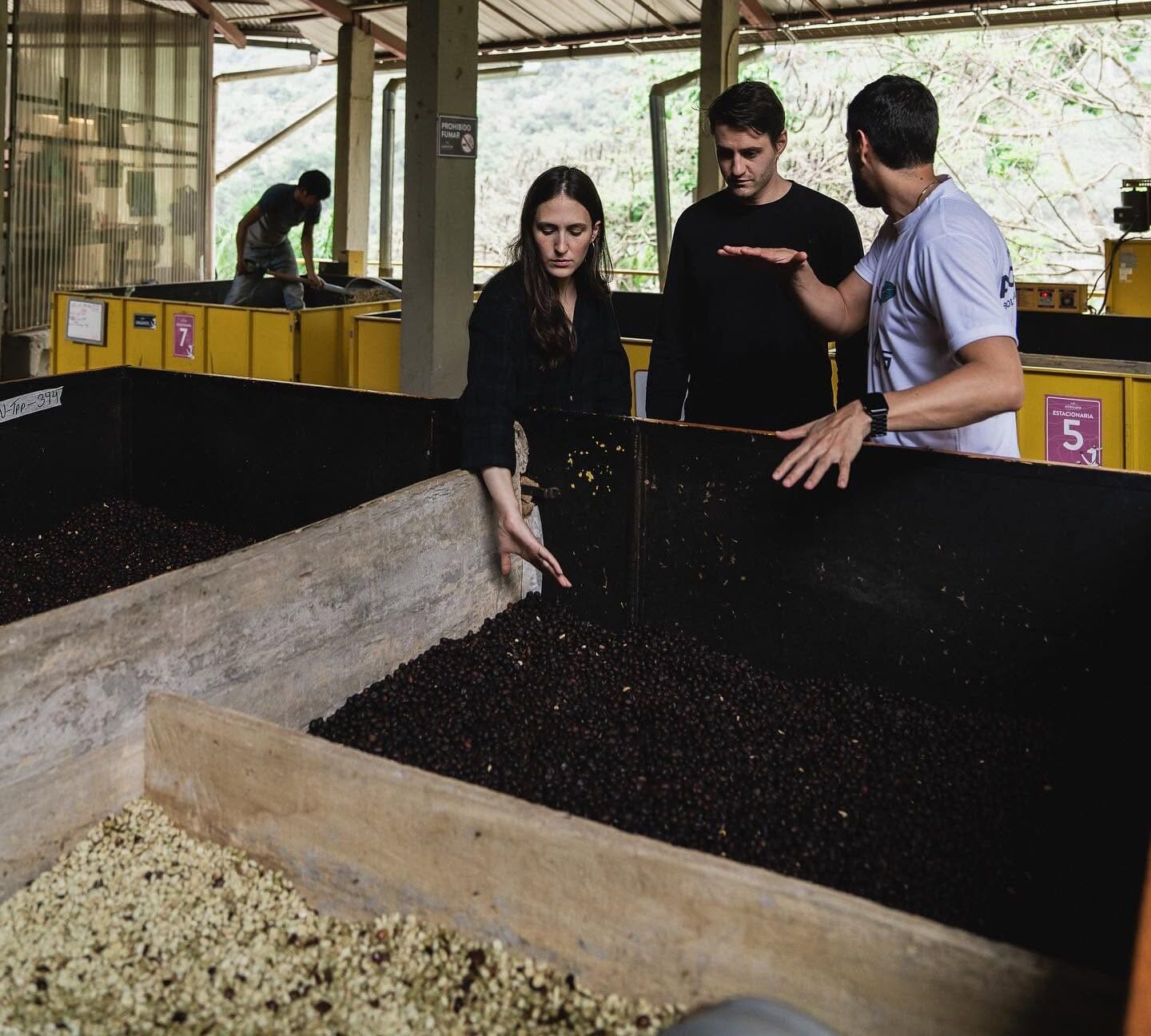
All coffee is fermented to some degree, but producers are becoming increasingly sophisticated about controlling the process. They can restrict oxygen, introduce particular microorganisms, change the temperature and extend or shorten the fermentation to draw out different flavours. This all happens at origin, before the coffee ever reaches Amsterdam. Dak’s skill is finding the producers who do this exceptionally well, then roasting their coffee lightly enough to preserve the result.
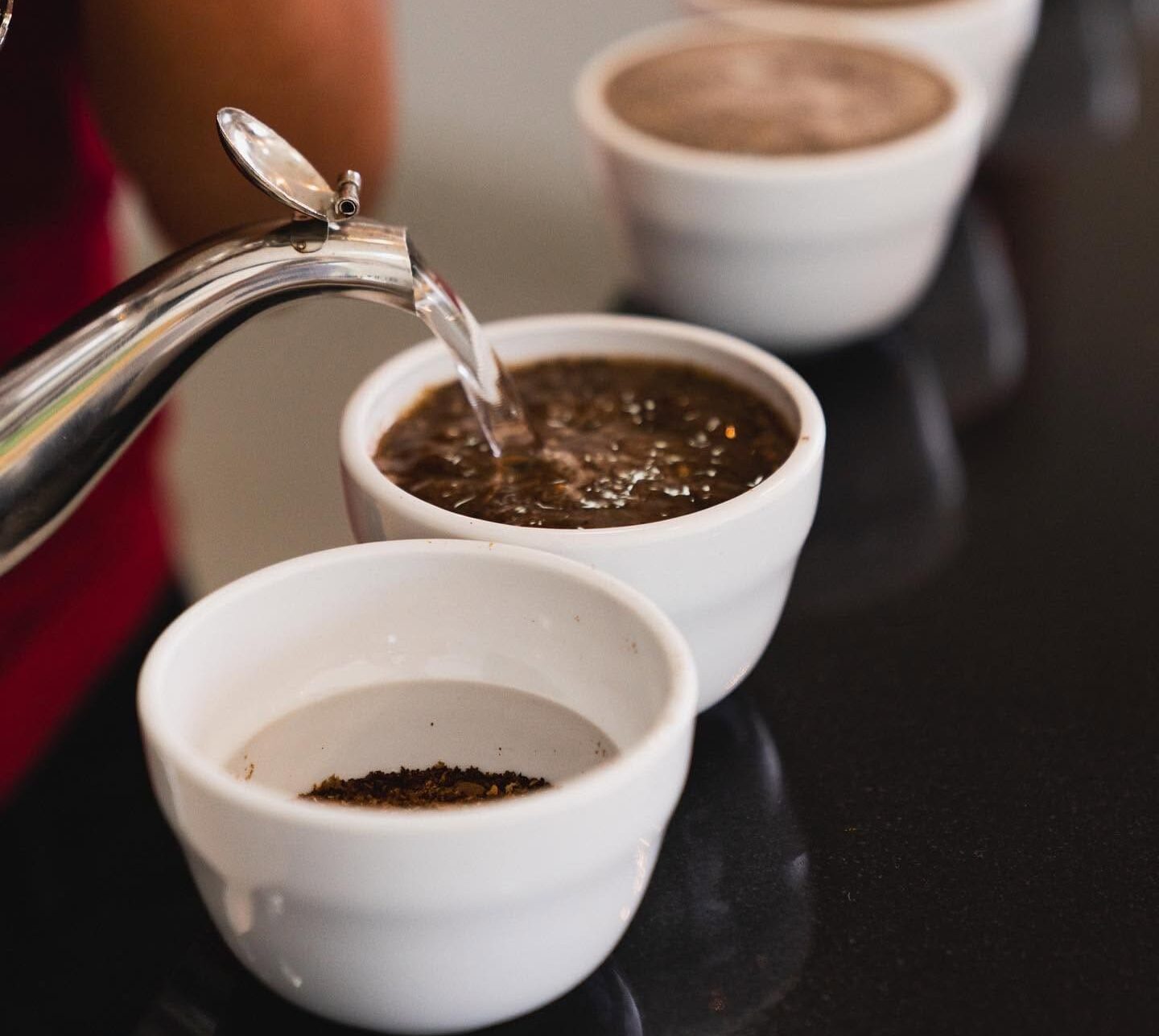
Milky Cake, Dak’s most famous coffee, is a good example. It is produced in Colombia by Diego Bermudez and tastes remarkably of vanilla, cardamom and pistachio. Nothing is added at Dak to make it taste this way. Bermudez develops these flavours through controlled processing at origin and Dak makes sure they survive the roast. It takes an enormous amount of work to make coffee taste this much like cake without putting any cake in it.
Cultural Shifts
There is another reason we like Dak. We have previously imported feature coffees from Berlin and Copenhagen because they were excellent, but there was never much of our own story inside them. Dak was founded in Amsterdam by two Montrealers. Pedaal was founded in Toronto by a first-generation Dutch Canadian and a new Canadian from England. We went looking to Europe for ideas that could change Canadian city life, only to find another pair of Canadians doing something remarkably similar in Europe.
That is why Dak belongs at Pedaal. The coffee is so damn good, of course, but it also brings some Montreal joie de vivre and Amsterdam experimentation to a city that can be far too Methodist about coffee. Hey, even Methodists need to raise the roof once in a while. Check out Dak here!