Sometimes the way we select our guest roasters is a long, winding road loaded with autobiography. There’s a habit here of never leaving for a trip without researching every coffee stop along the way, and most trips tend to be bicycle tours. There are few worse ways to welcome a fresh, dewy morning than with bad coffee. This summer, the route runs through the British Columbia Kootenays, from Sicamous to Fernie, and the research quickly revealed that the best coffee sits right at the end of the ride, at Rooftop Coffee in Fernie. So the plan shifted. Instead of bringing Rooftop along, we’ll feature them at Pedaal now and visit them later this summer. It’s all part of the same journey, which brings us to Rooftop’s. It’s quite exceptional.
From Street Level to Rooftop
Rooftop Coffee is a family-run coffee roastery and café based in Fernie, British Columbia, founded in 2016. The origin story is great. It begins with Keegan Street, a teenager who moved from Calgary to Fernie, only to discover that Calgary’s leading coffee scene (Phil & Sebastian, Rosso, Monogram, etc) had no real resonance in Fernie. Like many tourist towns, coffee shops in Fernie played it safe with dark roasts that were unchallenging, despite being the home of challenging slopes and increasingly thoughtful food. Keegan, clearly a coffee fanatic, didn’t see a lot of levels to the Fernie coffee scene. So, he moved it up a level, literally.
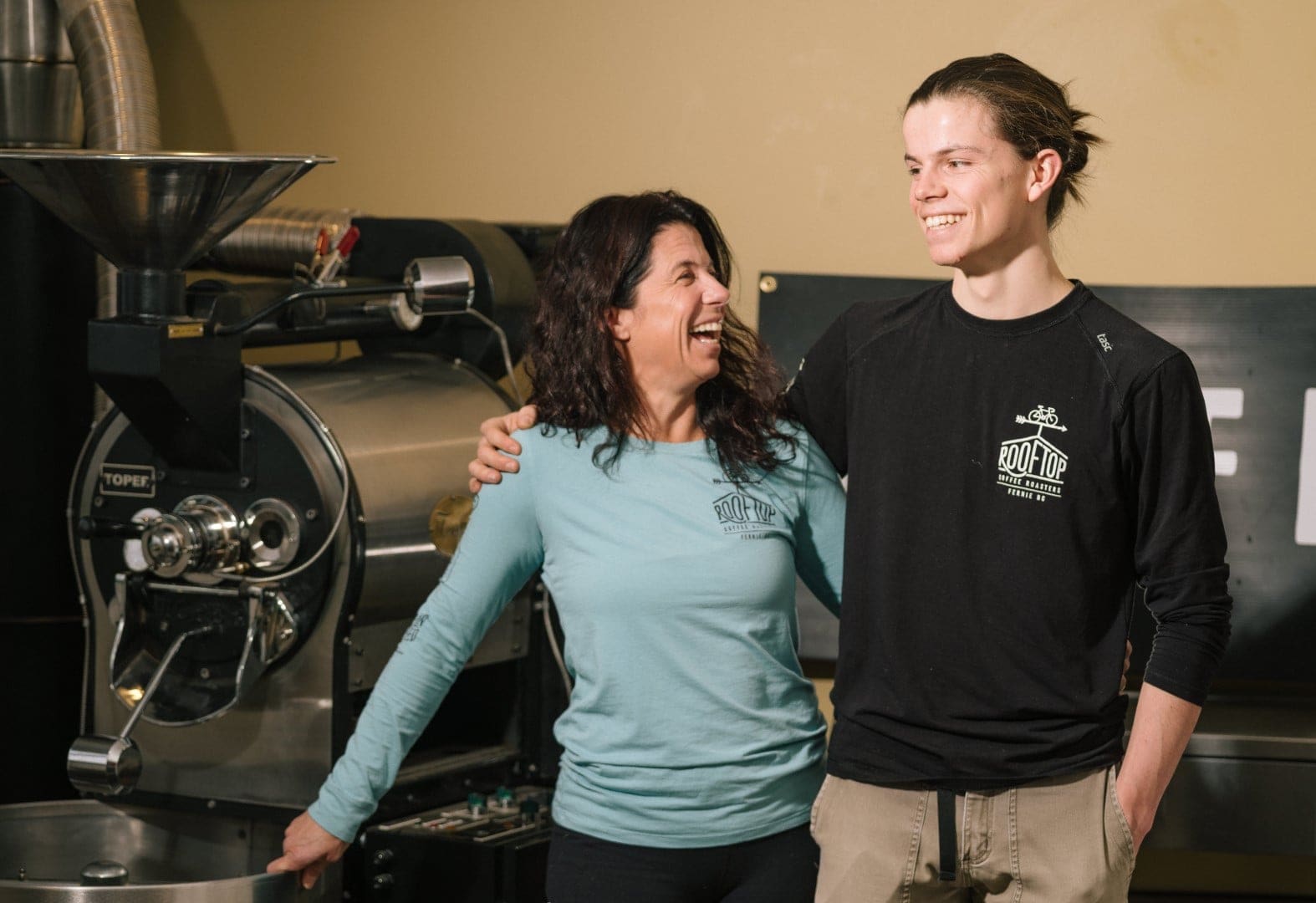
What started as a teenage experiment quickly ran into a practical problem. Roasting indoors creates more smoke than most households are prepared for, so the operation was pushed outside onto his parents’ rooftop patio. The name stuck, but more importantly, the idea stuck. What began as curiosity turned into something more structured, and by the time he graduated high school, Rooftop was already becoming a real business. Today, the café and roastery operate directly below that original rooftop, which gives the brand a rare continuity between where it started and what it has become. This many-levelled approach matters.
Close to the Street
This many-levelled approach matters, because until Rooftop, Fernie had a fairly traditional approach to coffee. Rooftop entered that environment with a more modern perspective on sourcing and roasting, but without discarding what people already liked. That balance was intentional from the beginning. As Keegan put it early on, they “couldn’t exactly come out of the gate with Geishas,” so the focus was on making lighter roasted coffee approachable in a market dominated by darker profiles, and then building outward from there.
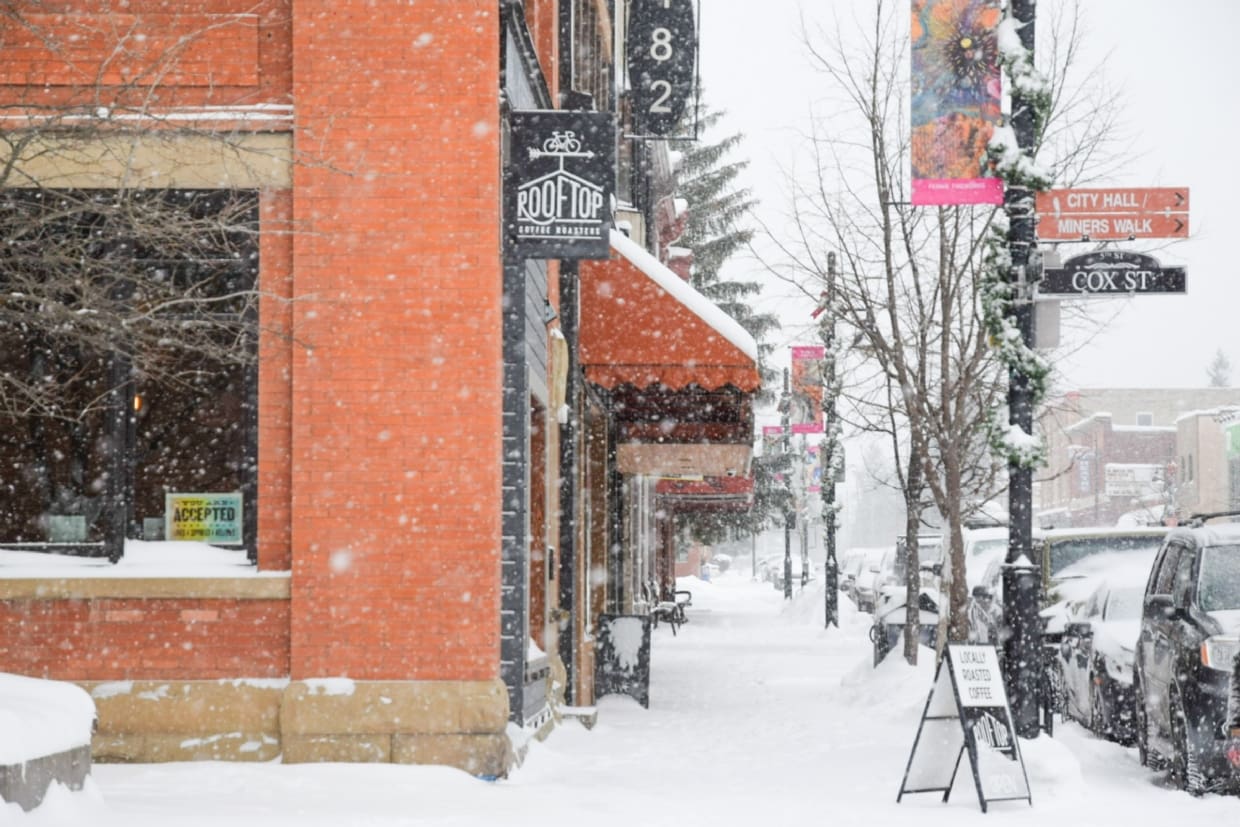
If this approach raised the level, it also helped Rooftop stand out beyond Fernie. It’s easy to find roasters that are purists, or inventive, or traditional, but it is much harder to find one that keeps all three close to the street. Keegan Street manages to do it. So does Traffic. Street. Traffic. We love these uncanny road metaphors. Whether it’s cutting through traffic or the open road, good coffee needs to be part of the adventure.
A Better Map
One of the more interesting aspects of Rooftop’s approach is how deliberately they hold those ideas together. Their coffees can be bright, expressive, and structured around origin, but they can also be familiar, chocolate-driven, and easy to return to every day. That philosophy becomes visible in how they present their coffees. Rather than organizing beans by origin, process, or roast level, Rooftop groups them into colour-coded collections that map directly to flavour. Purple leans into berries and syrupy sweetness, red into stonefruit and juicier profiles, yellow into florals and citrus, and brown into chocolate, nutty, more classic expressions.
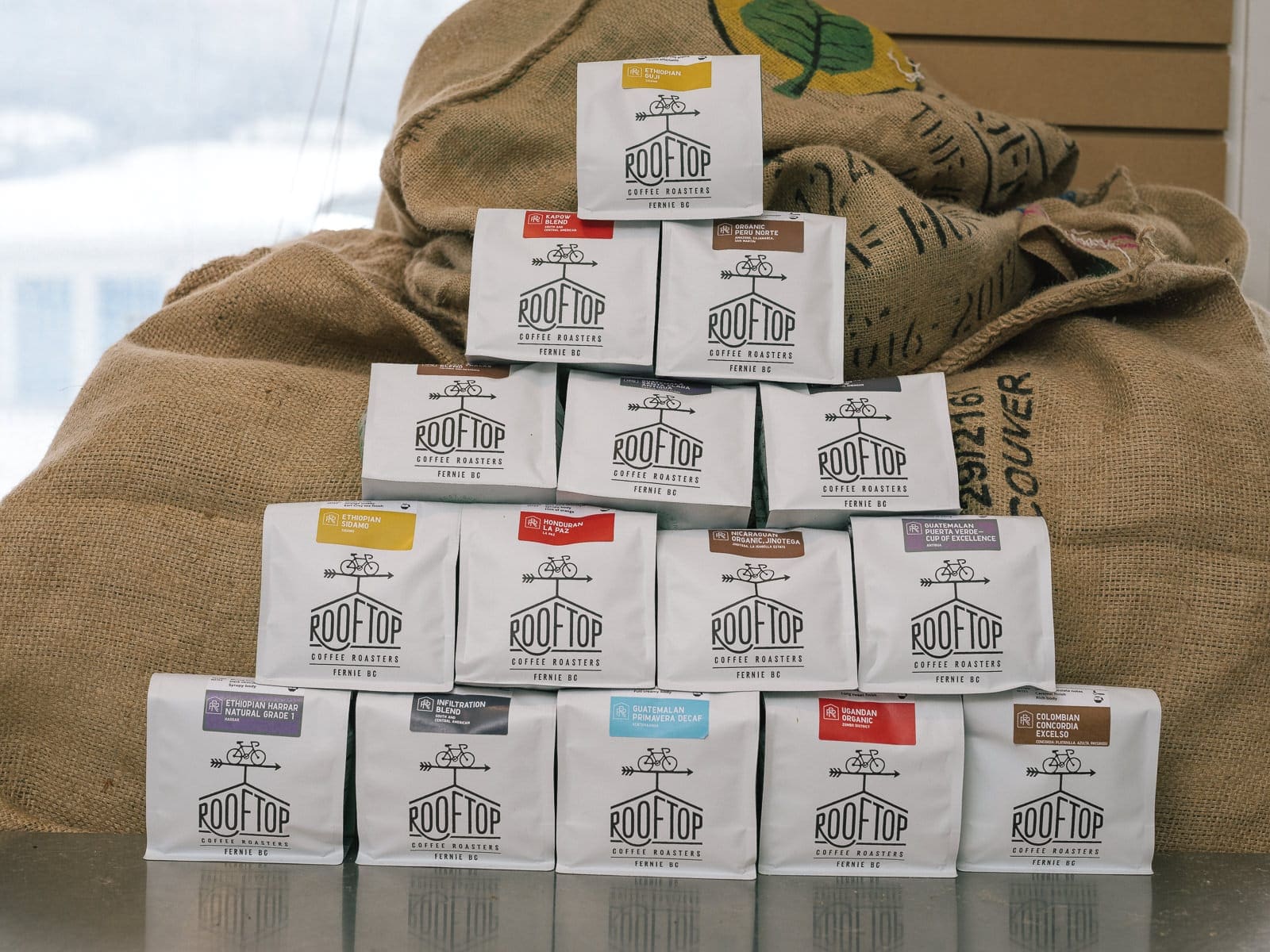
It is a simple system, but it does a lot of work. Customers do not need to understand coffee terminology to find something they like, and nothing in the lineup is positioned as more or less correct. It also functions as a kind of map. Instead of asking customers to navigate coffee the way the industry talks about it, Rooftop lets them move through it the way they experience it. It reflects a broader point Keegan has made about the industry, which is that coffee often becomes unnecessarily confusing when it leans too heavily on jargon. Rooftop’s structure works in the opposite direction, translating complexity into something intuitive without losing what makes the coffee interesting.
The Café as a Coffee Bar
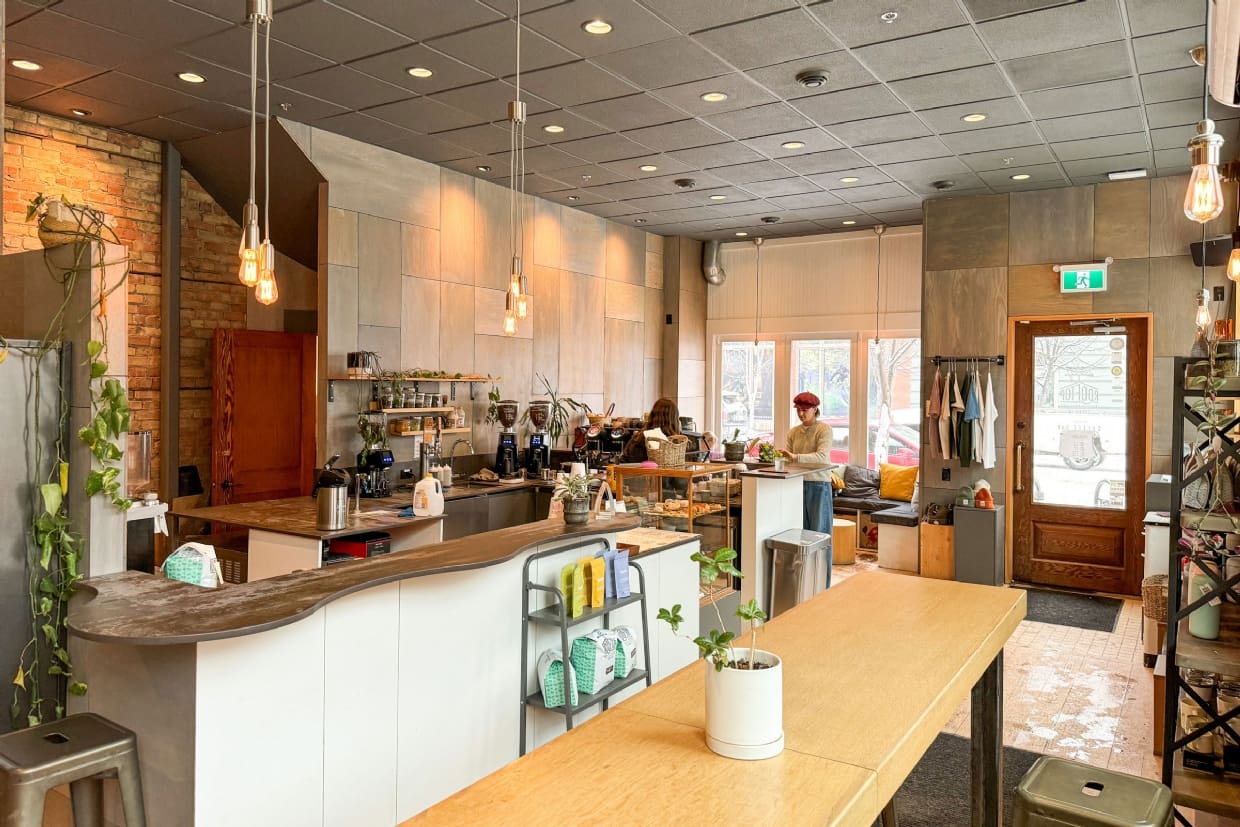
The Fernie space is set up more like a coffee bar than a traditional café, with roasting happening on site and visible from the customer area. This layout creates a more direct connection between the product and the process, allowing customers to see how coffee is handled from green to cup. In larger cities, this level of transparency is increasingly common, but in a smaller town it plays a more significant role in building awareness and curiosity around specialty coffee.
The space also reflects something Keegan has emphasized about what makes a great coffee experience. It is not just what is in the cup, but also the environment it is served in. Atmosphere, service, and the people behind the bar all shape how the coffee is received, and Rooftop leans into that idea by creating a space that feels welcoming and grounded rather than overly designed or intimidating.
The Ride and the Return
Every bike tour starts the same way, with route finding, mapping the sights along the way, and planning the stops. The food matters, but the coffee matters more. We found Rooftop as part of that process, but it stuck for a few reasons. Fernie is a bike town. Rooftop has a bike in the logo. That last part probably sealed it. There’s something fitting about a roaster like this landing at the end of a ride.
Fernie is an adventure town, and it’s a good reminder to stay a bit adventurous, even when adventure feels like the light at the end of a long, cold winter. If the idea of adventure resonates, it’s worth thinking about Keegan Street, who started Rooftop in his teens. Need a taste of adventure? Swing by and grab a bag!