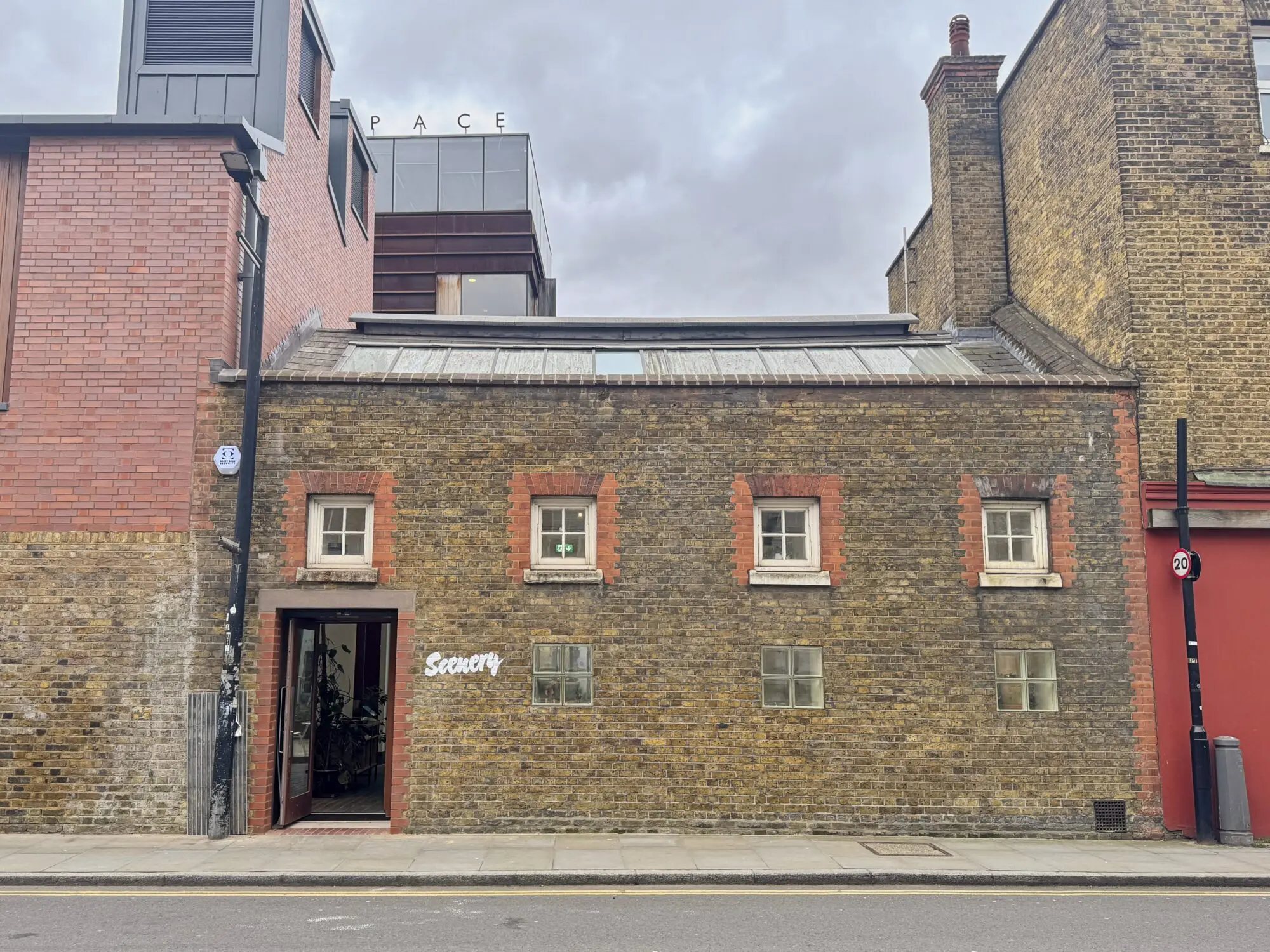
There is no shortage of excellent coffee roasters in the world. There is, however, a shortage of coffee roasters who seem genuinely interested in questioning how their industry works. That is what drew us to Scenery Coffee, a London roaster whose coffee is excellent, whose packaging is beautiful, and who have some depth to the way they do things. We really like people like that.
Scenery has opinions. Lots of them. They write extensively about sourcing, fermentation, tasting notes, freshness, and the complicated relationships that bring coffee from a farm to your cup. What makes them interesting is that these opinions are rarely presented as absolute truths. Instead, they seem to be the product of people who think carefully about what they’re doing, acknowledge what they don’t know, and are willing to change their minds. We really like that too.
Behind the Scenery
Scenery was founded by three coffee professionals with a combined thirty years of industry experience. Their stated ambition is rather modest, to source, roast and share coffees they genuinely love, without claiming to be the world’s best, most ethical or most sustainable roaster. That might sound like a low bar, but in specialty coffee, where almost everyone has a story about exceptional quality, direct relationships and sustainability, we feel a little humility goes a long way.
Scenery is particularly interested in the relationships that make coffee possible. Coffee is, after all, an agricultural product grown mostly in countries far poorer than those consuming it. The industry’s colonial history continues to shape how coffee is priced, traded and marketed. Even the specialty coffee movement, for all its good intentions, is prone to reproducing some of these inequalities. Scenery takes this seriously, favouring long-term relationships with producers and importers, returning to the same farms across harvests rather than simply chasing whichever coffee happens to score highest that year. They also recognize that demanding experimental processing from farmers while leaving them to shoulder the financial risk is hardly a fair relationship. In fact, their approach is to share that risk. If they commission an experiment, they commit to buying the result.
A Change of Scenery
In a previous article about Dak Coffee, we admitted to being wary of heavily fermented coffees. Modern processing techniques can produce extraordinary flavours, but they can also overwhelm the character of the coffee itself. When every cup tastes like strawberry candy, cinnamon buns or tropical punch, it becomes reasonable to ask how much of that flavour comes from the coffee and how much comes from the processing. Scenery has been asking similar questions, although with considerably more intellectual rigour. In this essay, they examine the growing controversy around high-intervention coffees, particularly the possibility of undisclosed flavour additions during processing.
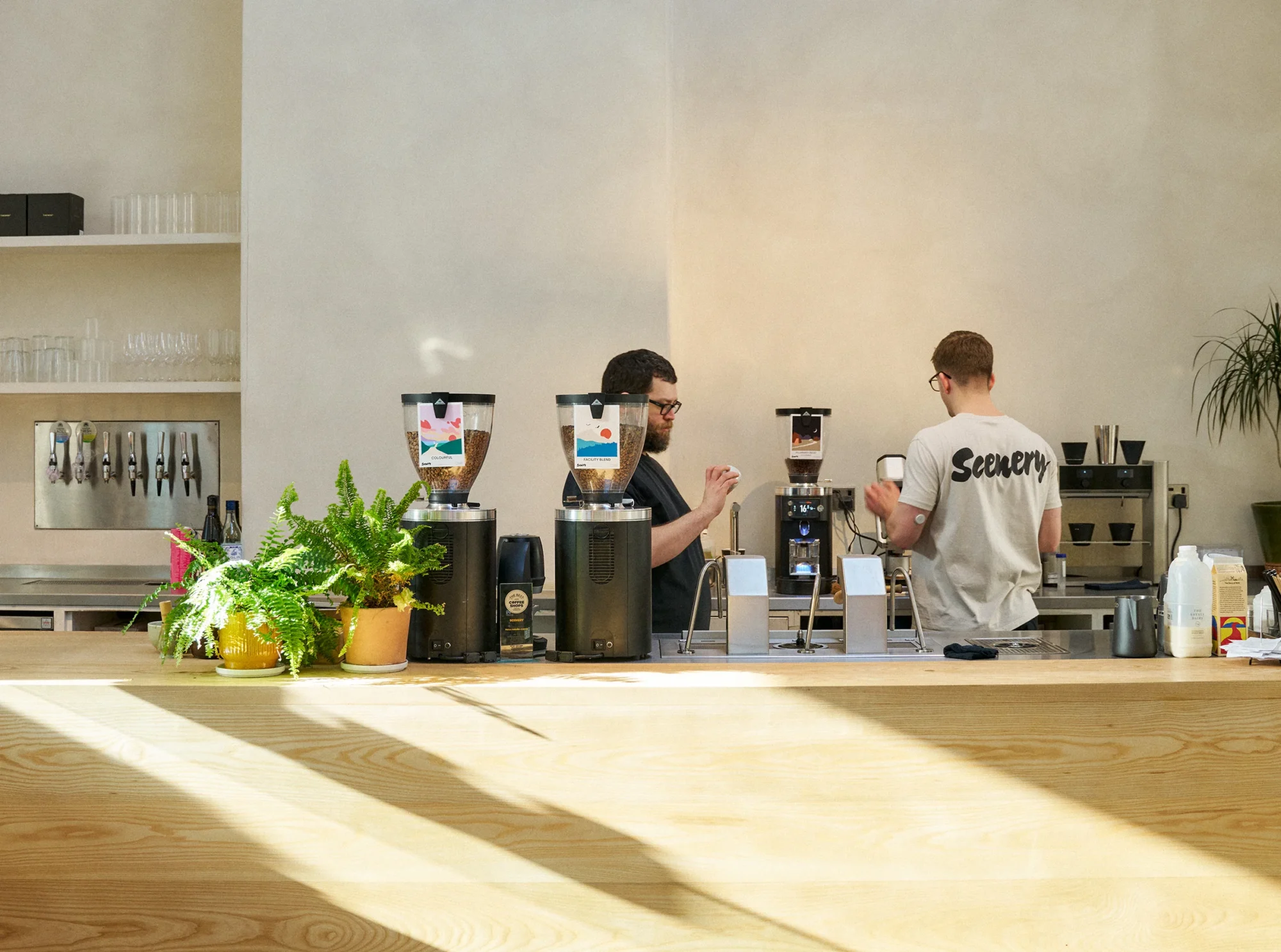
The problem isn’t necessarily that these coffees taste bad. Many taste fantastic. Nor is it that producers shouldn’t experiment. Innovation can create valuable opportunities for farmers and introduce entirely new experiences for coffee drinkers. The problem is transparency. If a coffee’s extraordinary flavour comes from added ingredients rather than the coffee itself, shouldn’t the person drinking it know? And what happens when market demand for increasingly outrageous flavours pressures producers into costly experiments simply to remain competitive? Above all, who pays for this? Scenery’s point is that this shouldn’t fall on the farmer.
Same Scenery, Different View
Perhaps our favourite Scenery essay concerns something seemingly trivial: tasting notes. Anyone who drinks specialty coffee has encountered bags promising flavours of jasmine, bergamot, blackcurrant, or some obscure tropical fruit they’ve never actually eaten. Sometimes these descriptions are remarkably accurate. Other times they’re like an exercise in creative writing. In an essay, Scenery asks what it actually means to describe a coffee as tasting like grapefruit. After all, which grapefruit? The bitter one you had for breakfast? The exceptionally sweet one you ate on holiday? The smell of freshly peeled rind? Everyone brings different memories and associations to the same word, making tasting notes less an objective description of flavour than an attempt to communicate a subjective experience.
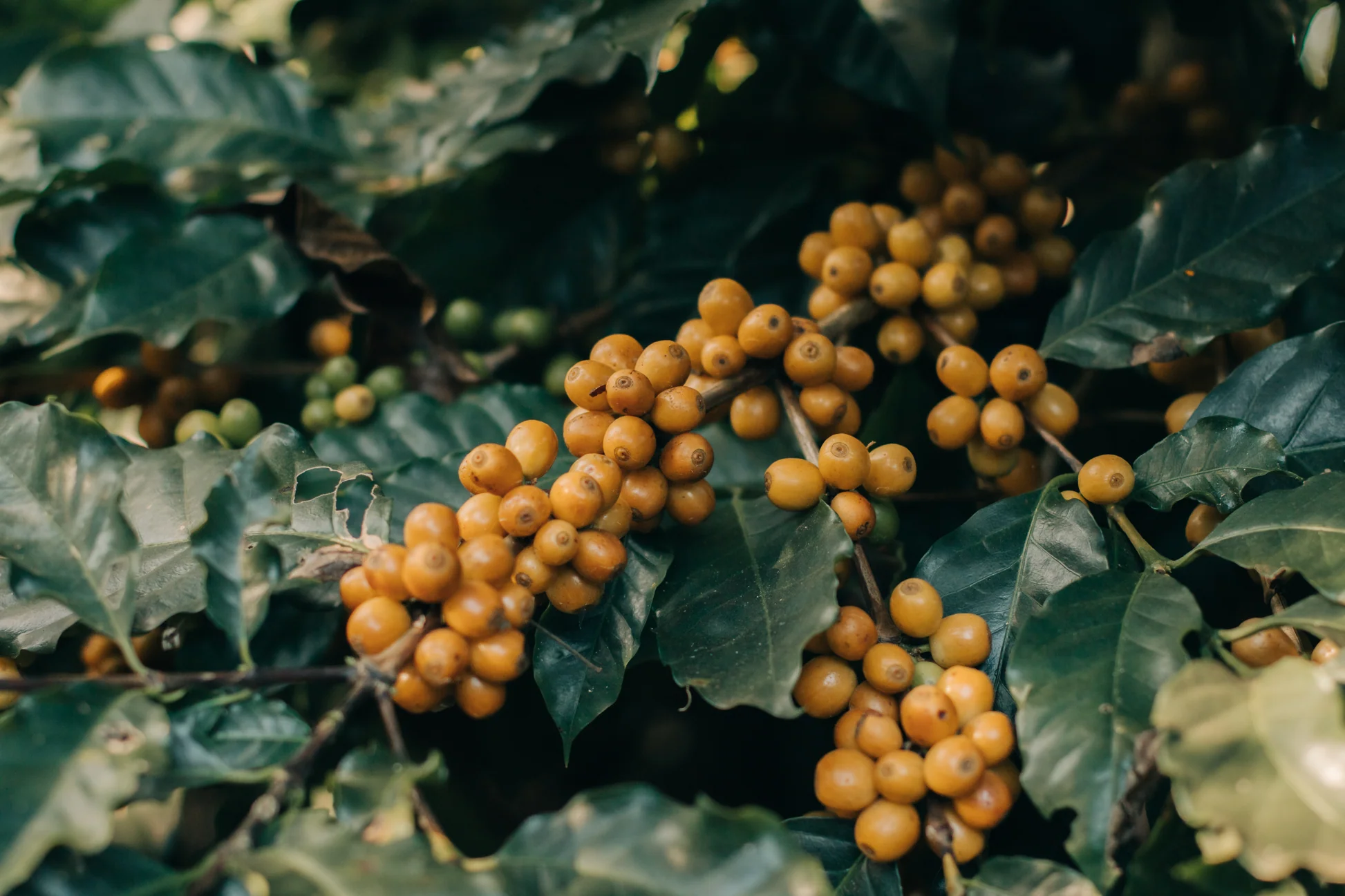
This is why Scenery calls the descriptions on its bags a tasting guide, rather than tasting notes. They’re suggestions of what you might discover, not a test you have to pass. Perhaps it’s our background in phenomenology (another story), but we quite like this approach. Specialty coffee can be intimidating enough without making people feel they’re drinking it incorrectly. If you taste peach where someone else tastes grapefruit, neither of you is necessarily wrong. And if all you can say is that you really like the coffee, that’s perfectly fine too.
A Slow Change of Scenery
Another subject Scenery has plenty to say about is freshness, particularly the specialty coffee industry’s obsession with roast dates. Many have been conditioned to believe that fresher is always better. Some coffee drinkers inspect roast dates with the same suspicion they’d reserve for a carton of milk approaching its expiry. But coffee isn’t milk. Freshly roasted coffee releases carbon dioxide, and lighter roasts often need several weeks of rest before tasting their best. Scenery suggests its coffees generally peak three to six weeks after roasting and can remain excellent for three months in a sealed bag. That coffee roasted yesterday might actually taste better next month. For us, importing coffee from Europe, it’s reassuring to know that time spent in transit isn’t the enemy of quality.
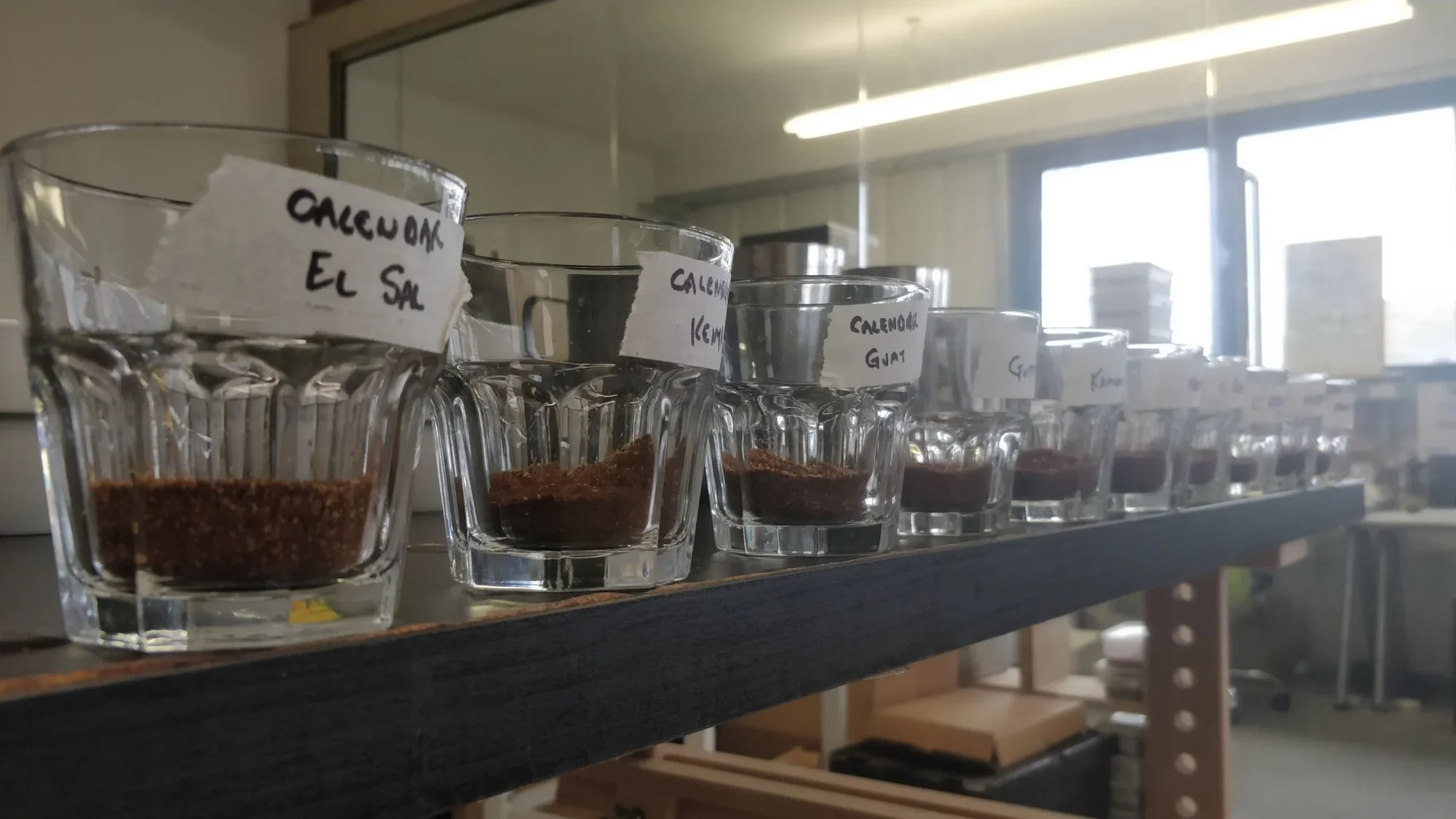
Scenery also looks beyond the roast date. Green coffee is an agricultural product with its own shelf life, and every stage between harvest and consumption matters. Coffee sitting in a warehouse costs money to store while gradually losing value. Discounting it might seem sensible, but that pressure on prices can eventually reach the farmer. Scenery advocates transparency around harvest dates, arrival times and coffee quality, all the while questioning whether older coffees should automatically be discarded. It’s a more thoughtful approach to freshness, one that considers the economics of coffee as well as what’s in the cup.
Part of the Scenery
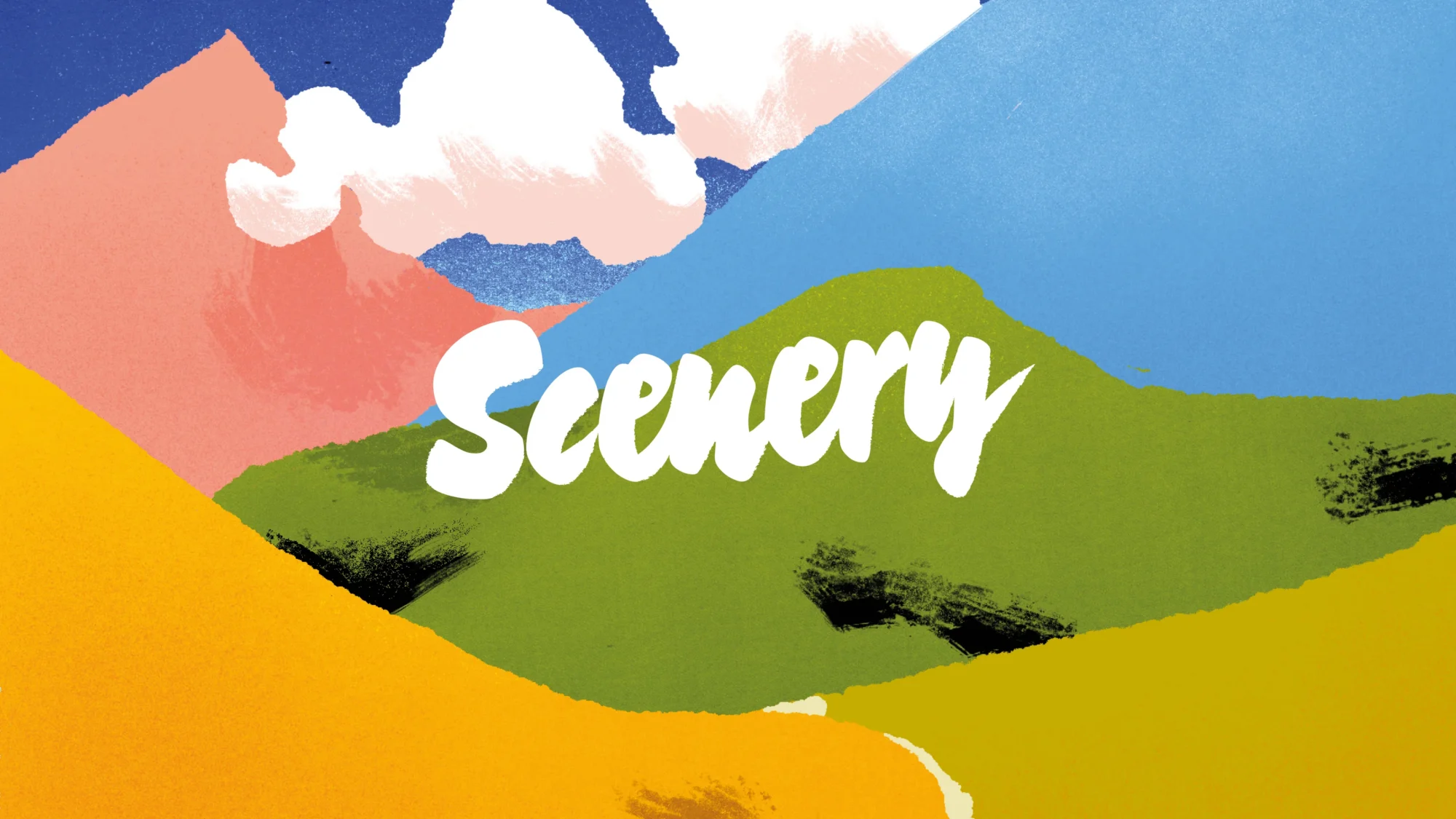
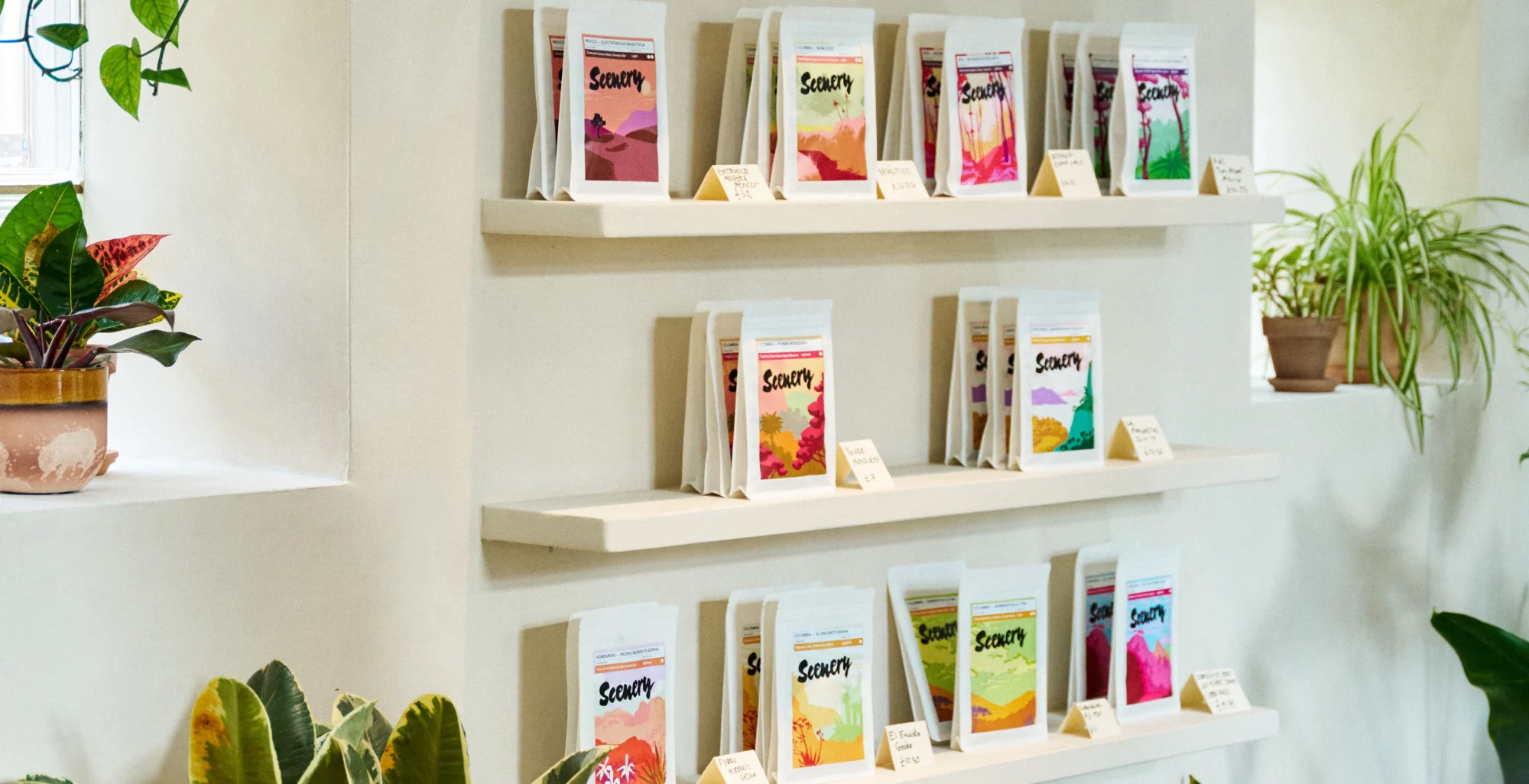
We should probably mention the packaging, because, well, just look at it. Scenery works with illustrator Lucas Garcia to create some gorgeous bags, with artwork inspired by the landscapes and geography of the places where their coffees are grown. They’re quite unlike anything else on our shelves. And, we’re not alone in admiring them. Scenery received an honourable mention for Best Design/Packaging at the 2024 Sprudgie Awards, and went on to win the 2025 Notable Roaster award. Not bad for a company whose stated philosophy is to avoid claiming to be the best at anything.
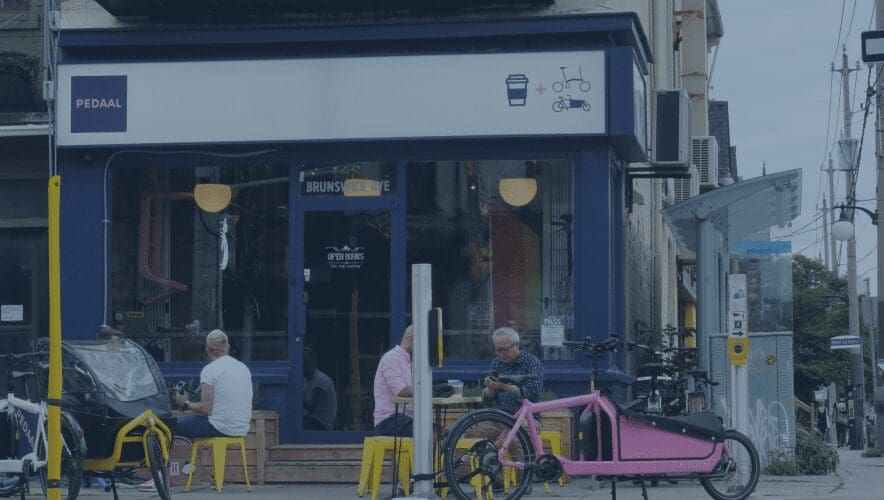
We’ve spent quite a bit of time reading Scenery’s essays, and an unreasonable amount of time admiring their packaging. Why do we like Scenery? They’re thoughtful, they have integrity, and they’re not afraid to question the conventions of an industry they clearly love. And they make terrific coffee. What more do you want? We’re delighted to welcome Scenery Coffee from London to Pedaal in Toronto.