Every September, Toronto fills with tens of thousands of new students lugging suitcases, IKEA bags, and big questions. The city feels electric – residences buzzing with move-in chaos, cafés crammed with laptop warriors, and sidewalks jammed with wide-eyed first-years trying to find their bearings. It’s exciting, but also overwhelming: new courses, new friends, new neighbourhoods, and for many, the first taste of living truly on your own. And amid all of that change sits a deceptively simple but critical question: How am I going to get around this city without losing my mind or my money? Yeah, good question!
The High Cost of Getting Around
In truth, this is not a easy question to answer. Toronto is a world-class city for many things, but getting from A to B can feel like an Olympic sport. Sit in traffic and you’ll burn 60-plus hours a year staring at brake lights. Ride the TTC and you’ll soon master the art of breathing other people’s air on a delayed, overcrowded train. As for walking? Walking is charming for short trips, but Toronto sprawls more than you think. Even “nearby” can mean a 40-minute slog.
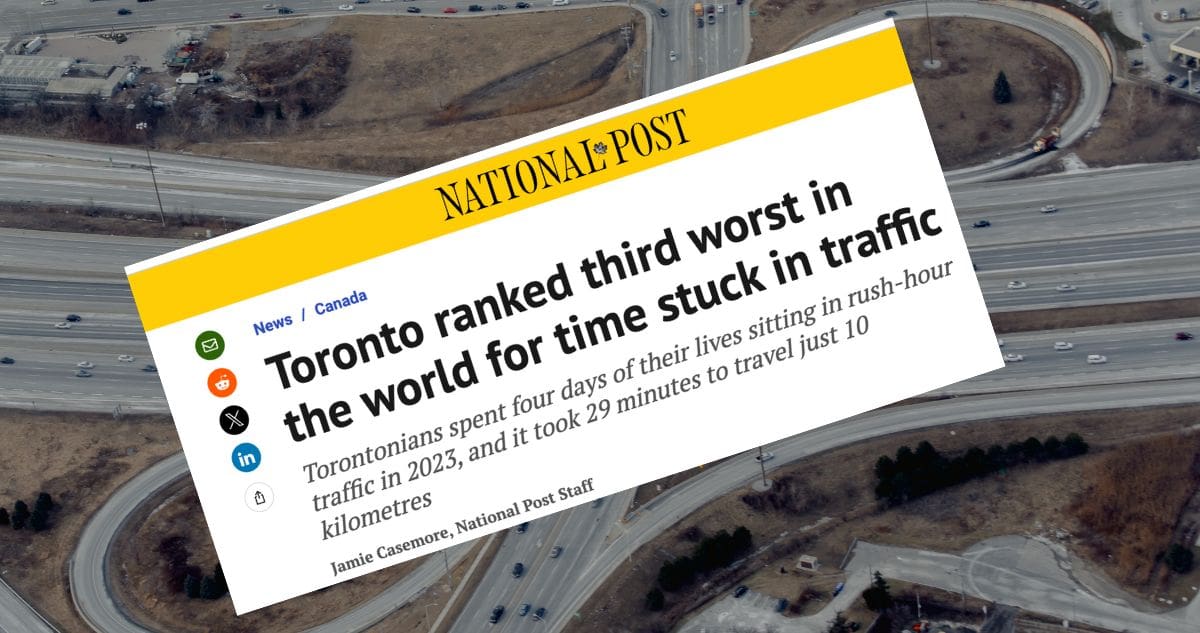
One thing is true: driving a car is the greatest folly. Insurance, parking (up to $400 a month near campus), gas, and repairs add up to $8,000 to $10,000 a year. Do that for four years and you’ve basically bought a condo down-payment (or you could have paid cash for your tuition!). Meanwhile, you spend those years stuck in traffic. Toronto ranks third worst in the world for time lost in congestion. Drivers waste over 60 hours a year in gridlock. That’s sixty hours you could’ve spent studying, socializing, or hitting the gym. Ouch!
Ditch the Sardine Can
Transit is cheaper – about $128 a month with a student pass, or $6,100 over four years. And for sure, the TTC is a solid solution if you’re commuting from the suburbs or places like North York, where the subway actually makes good time. But, downtown? Heck no! If you’re relying on the streetcar, you might as well lace up your sneakers because walking will get you there faster. In short, taking transit downtown Toronto feels like a game of chance. Sometimes it’s smooth, sometimes it’s a sardine can, and the worse is a “signal problem” that traps you underground while your midterm starts without you.
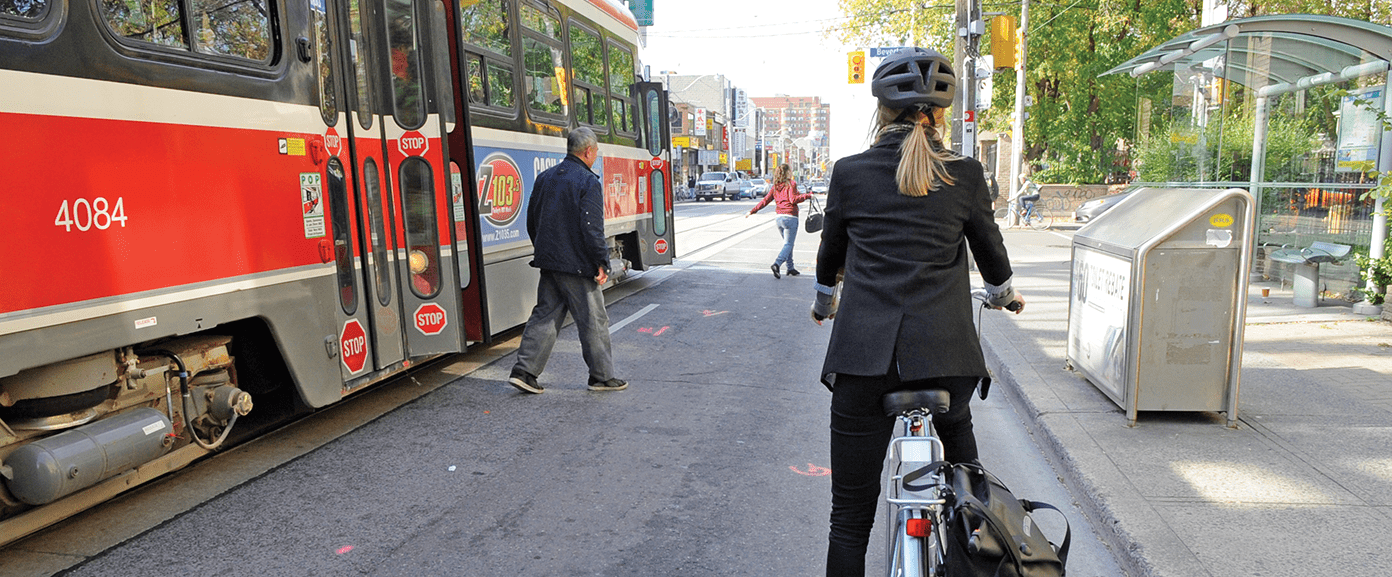
For the majority of downtown trips, a bike is the answer. A bicycle is faster than walking, less hassle than transit, and totally immune to traffic jams. You always arrive on time. Plus, the city’s web of bike lanes lets you string together a day that takes you from campus to a park to a café to the waterfront without touching a steering wheel or a Presto card. However, there’s a catch. Theft is rampant. Lock a nice bike outside and you may come back to find a lonely wheel chained to a pole. That’s where a low-risk gateway comes in.

Bike Share: Training Wheels for City Life
Toronto’s Bike Share is the perfect “try before you buy.” It’s the gateway drug to becoming a full-time city cyclist. For $105 a year, you can grab a bike anytime, anywhere there’s a docking station. With Bike Share there is no maintenance, no storage headaches, and zero fear of theft. Most rides are under 30 minutes and free with your membership. But here’s the magic: once you start riding, those short trips turn into “just a little further” trips. You’ll link errands, detour to the waterfront, pop over to see friends, or take a weekend spin to the Islands. Sure, you might rack up a few overage fees – but those rides are when you realize cycling isn’t just transport. It’s the best way to glue your city together.
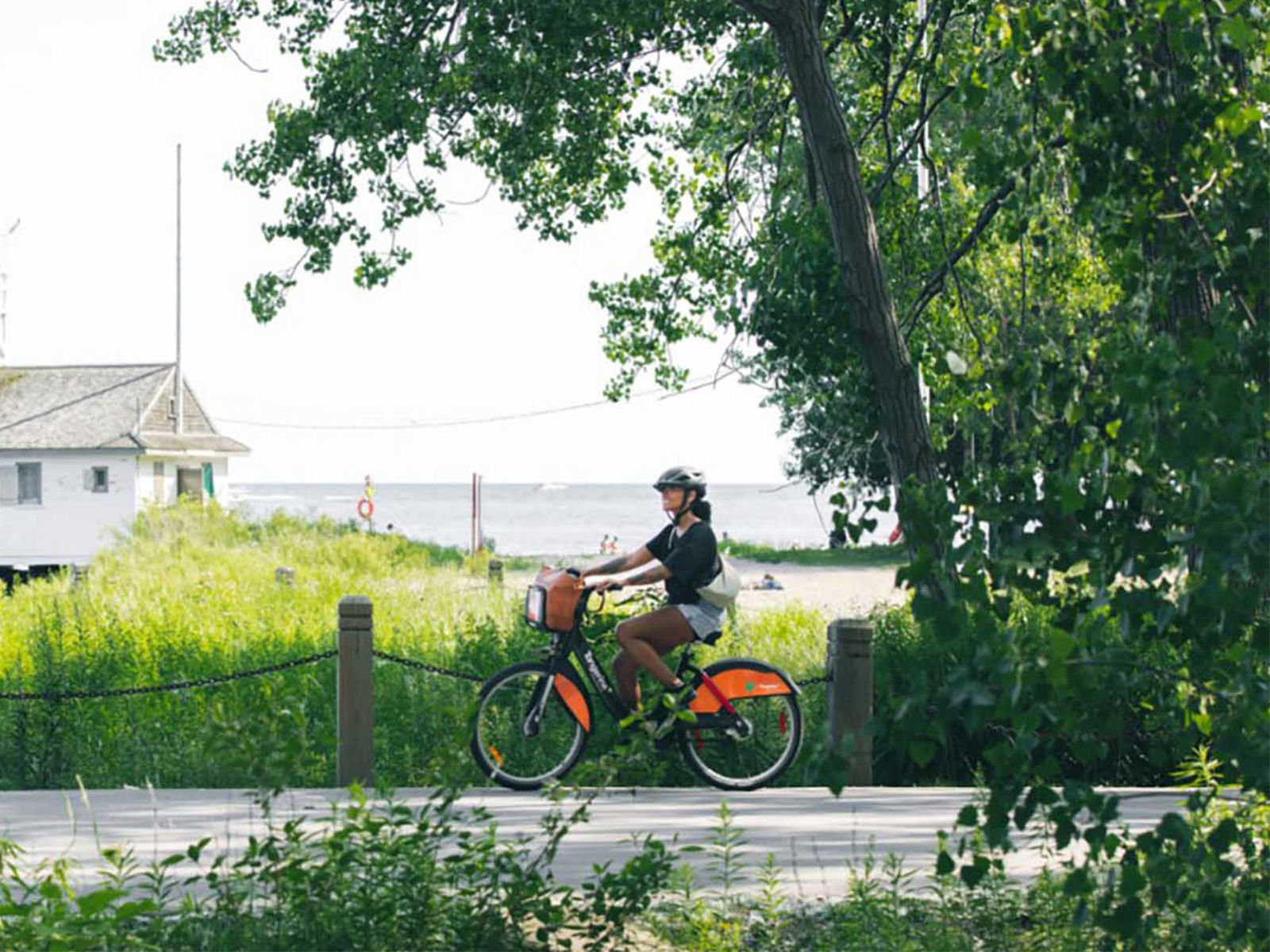
But, if you run the math, Bike Share still comes out at about $500 a year or more. The annual membership costs $105, which covers most short trips under 30 minutes that are free. For the occasional longer ride that goes past the free window, users pay extra – typically around $3 to $4 for each additional half hour. Add those occasional fees throughout the year, and the total roughly lands around $523. That’s $2092 over four years. Of course, that’s still far less than what you’d spend on transit or driving. But, no matter how much you save or spend, at the end of the year you still don’t own a bike.

Owning Your Ride
For many riders, that’s the tipping point – the moment they decide it’s time to take full control of their ride. Enter the Brompton.
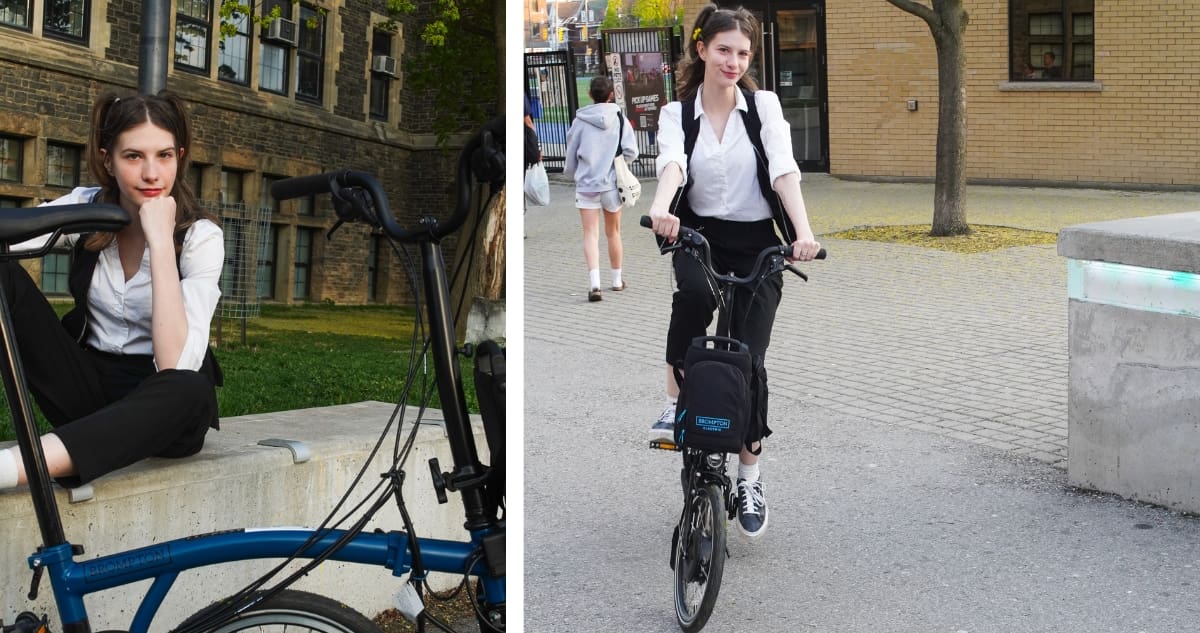
Compared to a regular bike, a Brompton is a total game changer. Starting at $1,950, you get a bike that folds small enough to stash in your dorm room, classroom, or under your desk. That means zero theft anxiety, no hunting for docking stations, and no limits on how far or how long you ride. Once you’ve paid for it, that’s it. There are no annual fees or “out of service” signs. Spread over four years, a Brompton costs less than $500 a year – cheaper than Bike Share or the TTC. Except now, you own your ride. And this isn’t a throwaway purchase; with the tiniest bit of care, a Brompton will be your sidekick for life.

Welcome to the Ride
Moving to a big city can feel overwhelming. Maybe you’ve heard the usual warnings – traffic’s a nightmare, transit’s sketchy, and cycling is downright dangerous. That’s just suburban hysteria. Here’s the truth from the inside: riding in Toronto isn’t scary. Anyone who has lived in Toronto long enough knows that cycling feels safe – and getting safer every year. When you ride here, you’re part of a vibrant, diverse community that reflects the city itself. Unlike many places where cycling feels exclusive or intimidating, Toronto’s bike scene is a fashion show on wheels – welcoming, inclusive, and thankfully without a shred of elitism.

So, how to prove it to yourself? Grab a Bike Share! Bike Share is your risk-free ticket to try city cycling and see for yourself. And when you’re ready to stop renting your freedom by the half hour, come grab a coffee and take a Brompton for a spin. Sure, it’s a funny little bike that sparks a lot of questions, but that’s only because it delivers even more answers. So forget the myths. Skip the gridlock. And, ditch the TTC sardine can. Toronto’s waiting for you to get moving on your own terms.