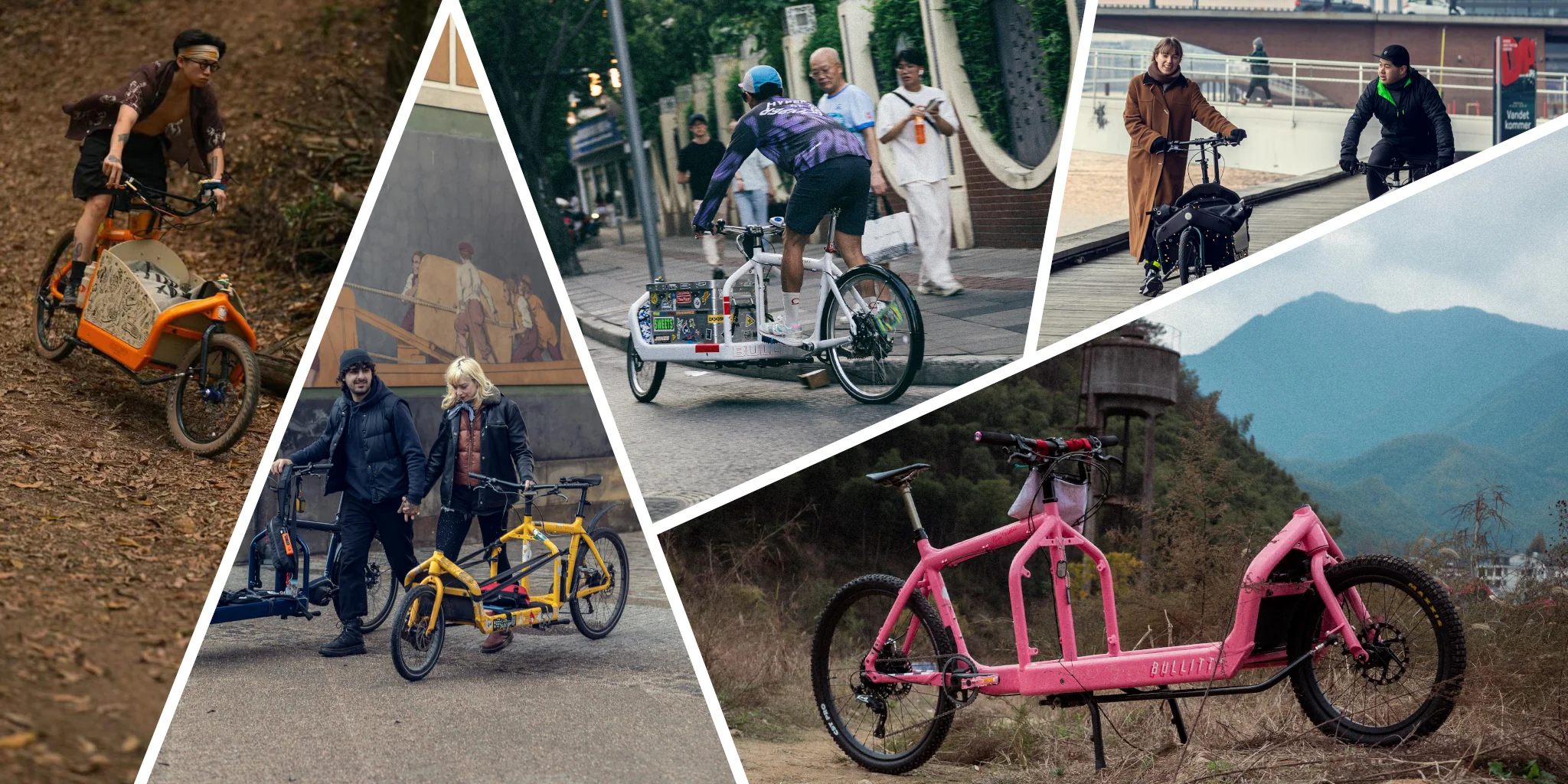
We find that choosing between an electric cargo bike and an “acoustic” cargo bike usually comes down to an honest assessment of how you’ll actually use the bike. The big three factors are distance, hills, and how much weight you plan to carry. Once you start thinking about those factors, it helps to draw a line between the aspirational and the actual. What you dream of doing with your bike — big cross-town rides, weekend Costco runs, maybe carrying a couple of kids uphill to soccer — might be different from what you do most days, which is usually shorter trips, lighter cargo, and flatter routes.
Do You Really Need Electric?
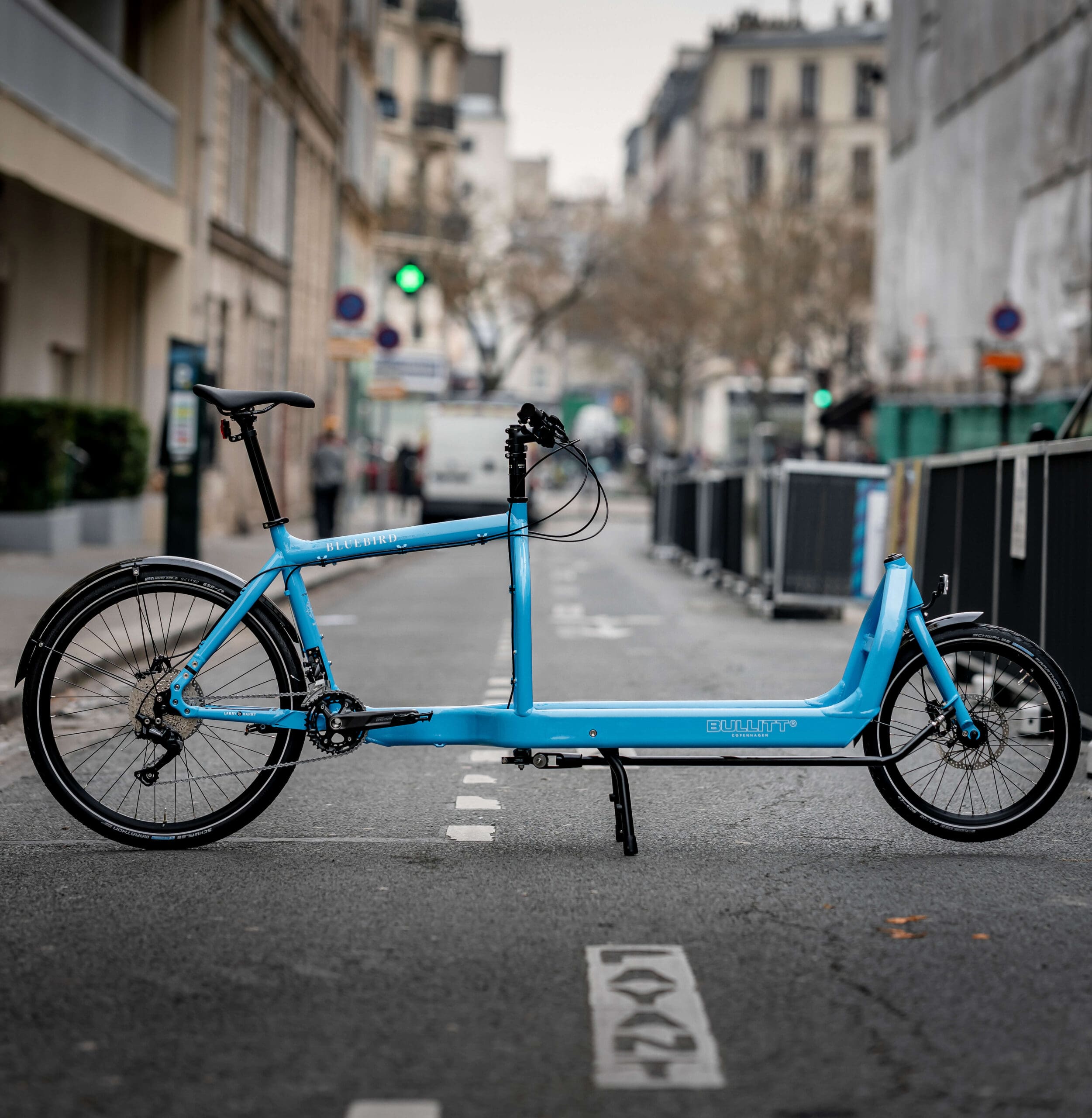
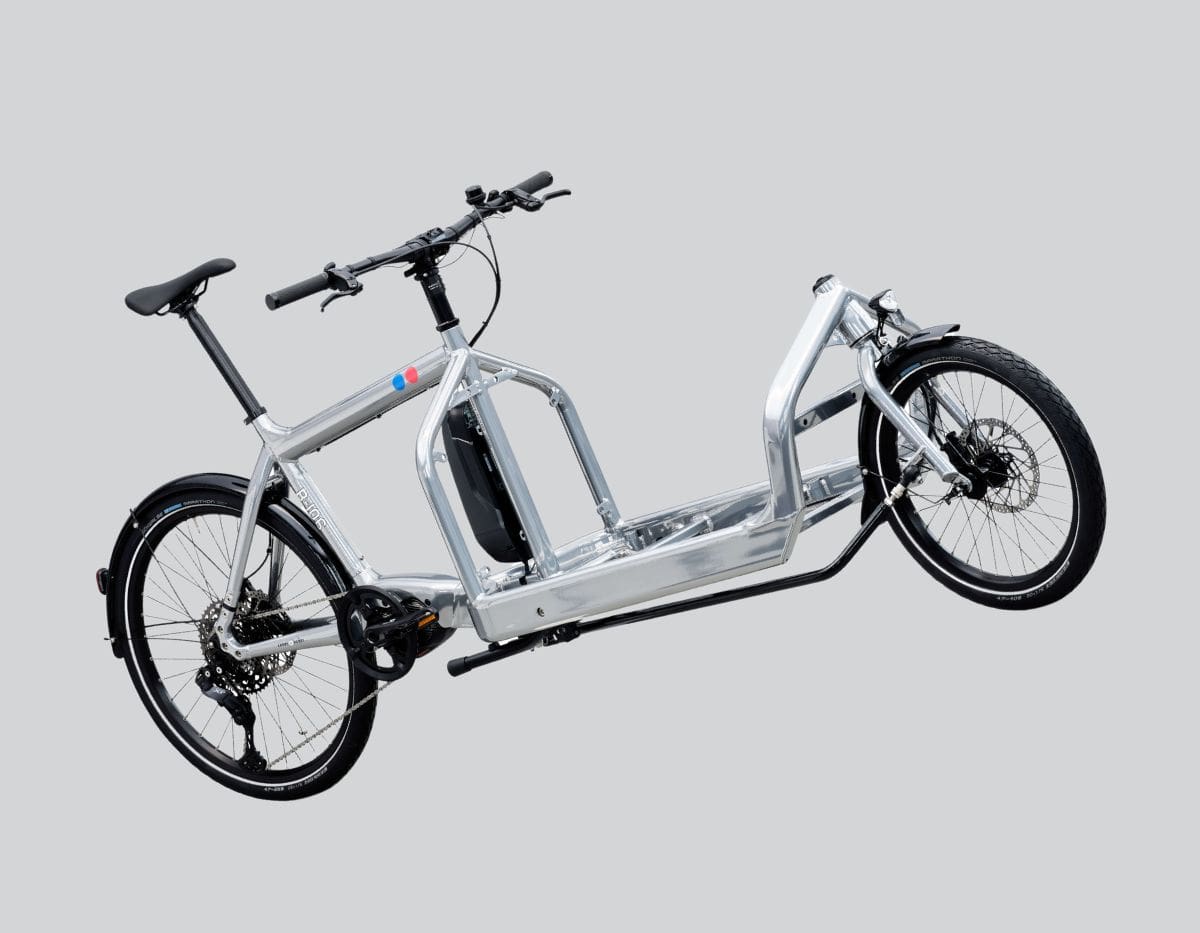
Bullitt is one of the few companies that let you tease apart that question honestly, because their bikes — electric and acoustic alike — are light. Not just 10% lighter, or even 30%, but nearly 50% lighter than most cargo bike competition. Many cargo bikes are so heavy that the first thing an electric motor has to neutralize is the bike itself, even before you add cargo. Not so with a Bullitt. An acoustic build comes in around 45 pounds, and the electric around 55. Which means the real question isn’t “Can I move this thing without power?” but “Do I actually need electric at all?” (Read more about this here).
That’s where gearing comes in. Because with a bike this light, choosing the right gearing system can make the difference between an acoustic bike that’s perfectly matched to your actual use-case — or one that leaves you wishing you had gone electric for the aspirational stuff.

Bikes Are the Glue
As said, there’s a big difference between actual use—your day-to-day trips—and aspirational use—the stuff you dream about but rarely do. While a cargo bike can do all sorts of aspirational things, like overnight camping trips or blasting through off-road terrain, the real reason a cargo bike exists is to solve the problem of the last mile. And people tend to forget this.
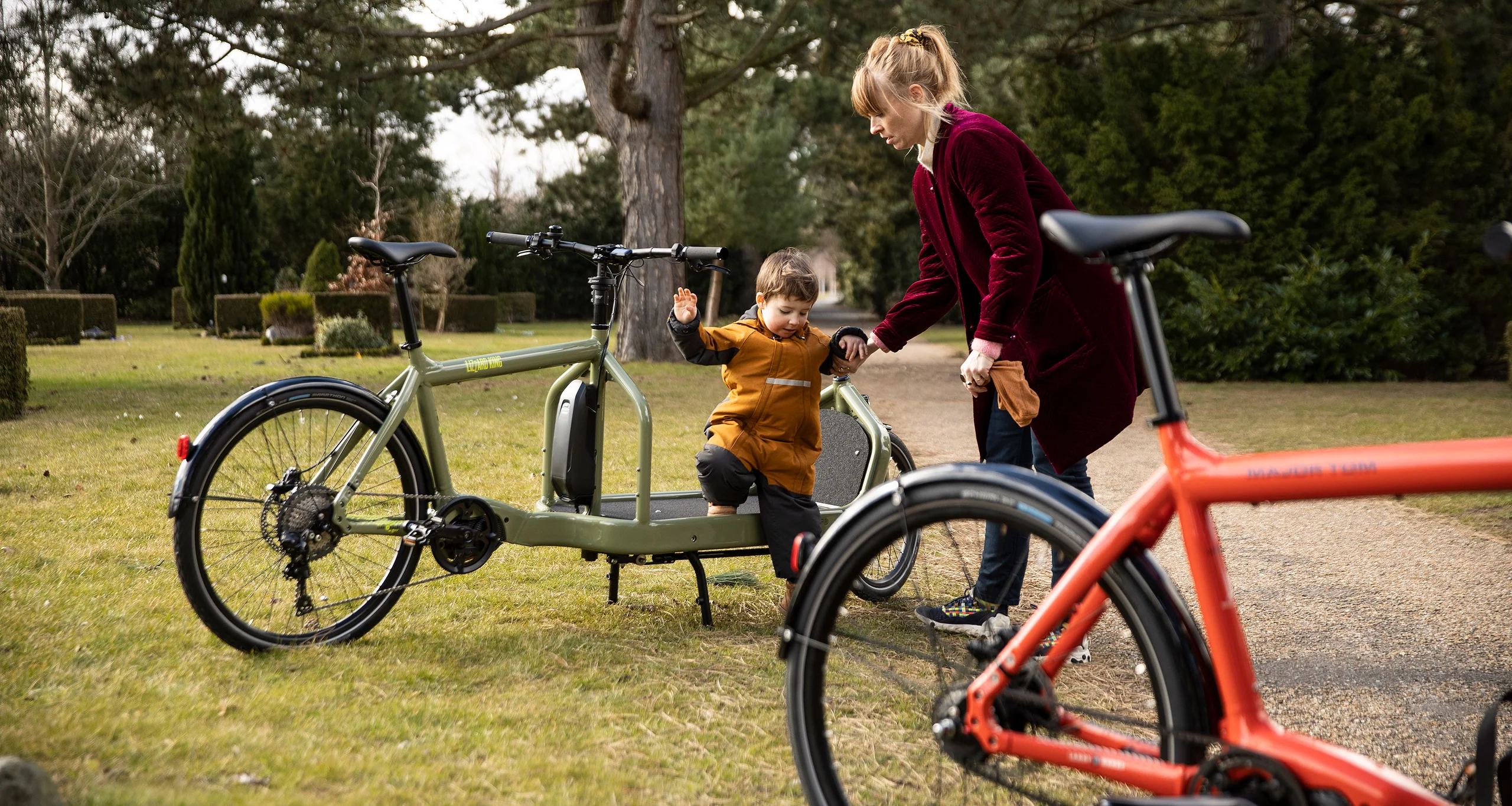
What is the last mile? Anyone who lives downtown—or has just moved downtown—knows this reality. Most distances are too close to drive and too far to walk. And neither option is efficient. Walking is cheap but takes forever. Driving means traffic jams, hunting for a parking spot, and outlandish costs. Many of us who live downtown used to live in the suburbs and grew up thinking of bikes as Canadian Tire toys. But this couldn’t be further from reality. A bicycle is transportation. And, nothing glues the last mile together like a bike.

Empower the Last Mile
Of course, everyone’s last mile looks a little different, and that helps tease out whether an electric or acoustic cargo bike makes sense. For instance, if your last mile includes a steep hill (over 6% grade), then an electric cargo bike is worth considering. But if your last mile is relatively flat—as many Canadian cities are—an acoustic cargo bike easily gets the job done at significantly less cost. (And, you can drop the gym pass too).
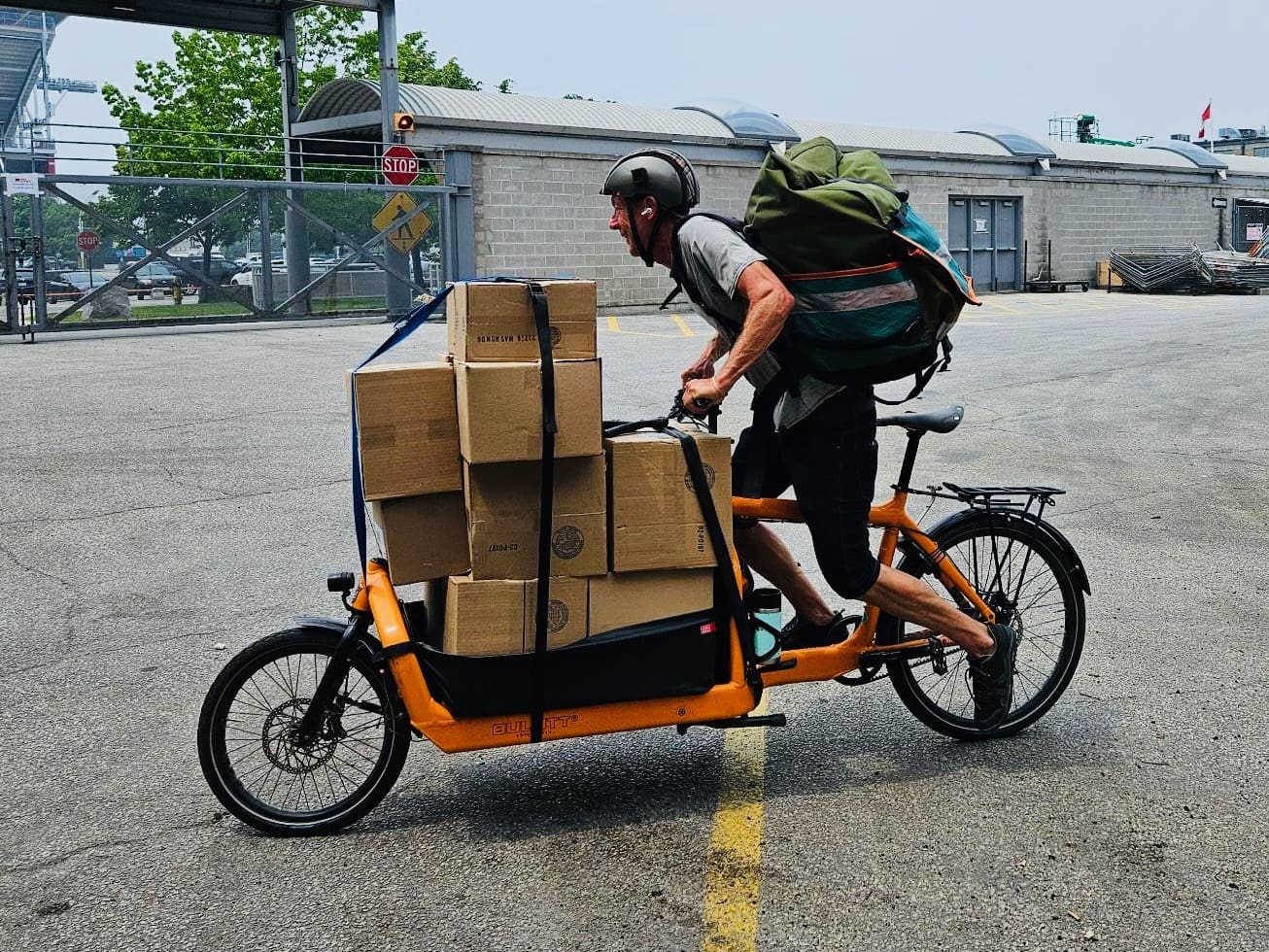
After we consider distance there remains the question of weight. After all, a cargo bike is meant to carry stuff! That said, too often people buy a cargo bike for what they might carry, not what they actually carry. Sure, a cargo bike can haul bags of gravel, cinder blocks, or whatever else your next landscaping project calls for. But that’s not daily life (unless you’re Chad Mohr). Day to day, most people carry around 50 kg at most—a six-year-old kid plus groceries. Within the last mile, an acoustic cargo bike can handle this without issue.
It’s in the Numbers
But what if you ride steeper hills, carry heavier loads, or go beyond the last mile? There’s an acoustic cargo bike for that too. It’s just as capable as an electric—only the motor won’t neutralize hills, weight, or distance. In other words, more sweat, same capacity, just a bit slower. That brings us to gearing. We’ll introduce a chart using gear inches—lower numbers make climbing easier, higher numbers let you go faster. (For a deeper dive into gear inches, check out this page.)
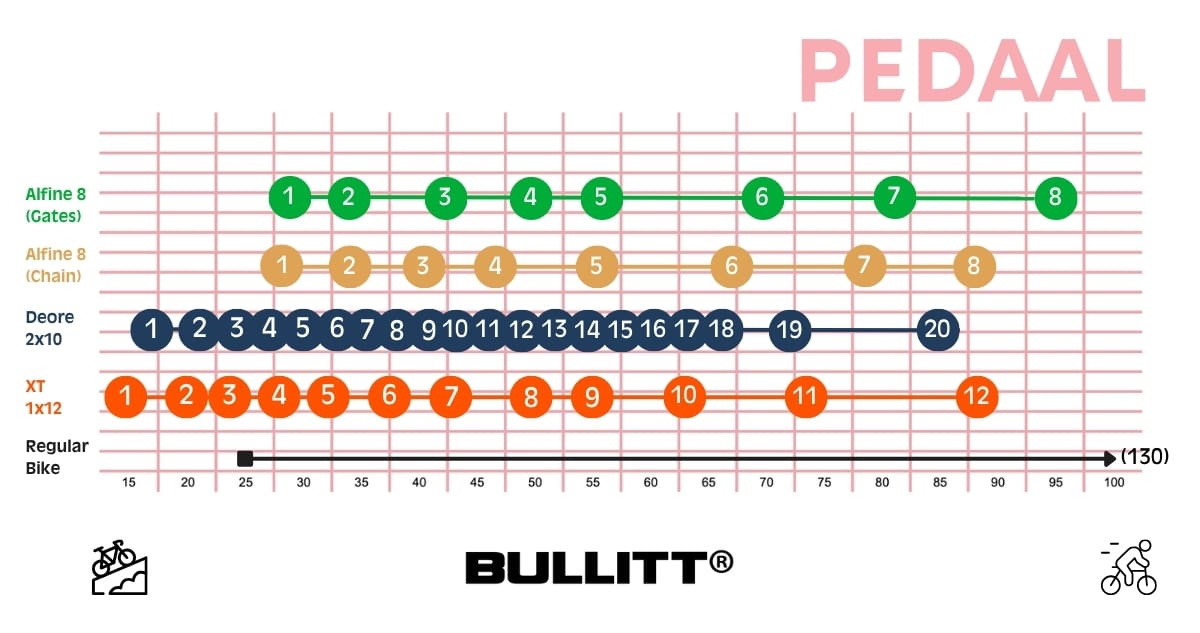
The chart above shows every gear on Bullitt’s acoustic options: Alfine 8-speed with chain, Alfine 8-speed with belt, 20-speed Deore, and 12-speed XT. At the bottom is a standard gravel bike, which typically has the widest gearing range of non-cargo bikes. This matters because, as you’ll see, the Deore and XT systems offer lower gears than a regular bike. And, that’s important if we’re talking about big distances, big cargo loads, big hills, or big all-of-the above.
Alfine 8 Gearing
The Alfine 8 is a commuter’s workhorse. It comes with either a traditional chain or a Gates belt drive, and the two options have slightly different base ratios, which change how the hub multiplies each gear. In practice, the Gates chain setup is a touch lower, which makes starts on moderate hills easier without giving up top-end speed.
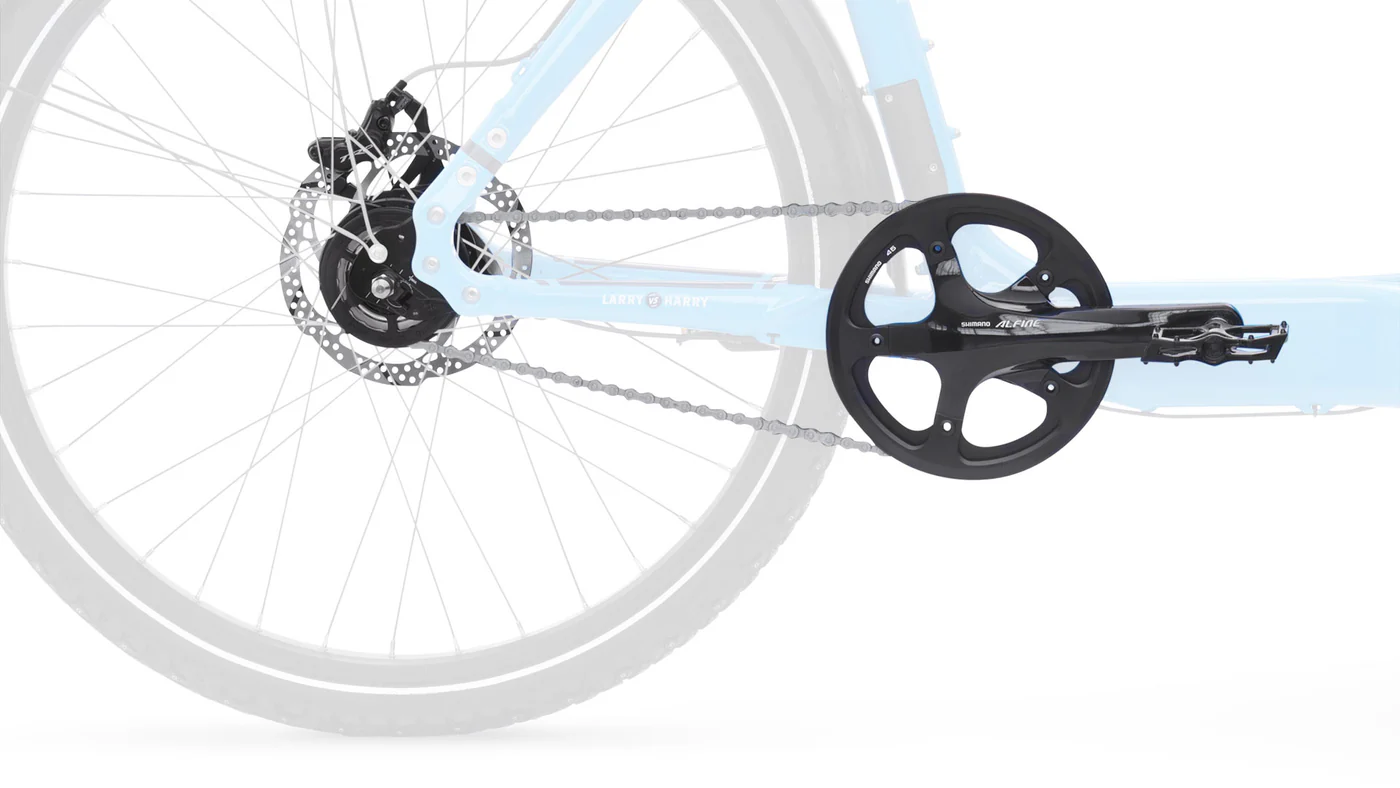
For most Toronto streets below Davenport, the Alfine 8 is perfect. It handles moderate loads—a child plus groceries, about 125 kg total—on grades under 6% with ease. At the top end, it’s fast enough that when you’re riding without heavy cargo, it feels more like a regular bike than a cargo bike. In fact, if you compare the Alfine kits to a regular bike (see the chart, above), they come very close in terms of hill climbing capacity. The internal hub is low maintenance, and the Gates belt can last up to 40,000 km without replacement.
In aspirational terms, Alfine 8 can cover slightly longer rides or flatter overnight trips, like a camping run to Rouge Valley. In short: it’s perfect for actual use, with just enough headroom for aspirational moments.
Deore 2×10: Expansive Range for Ambitious Rides
If you want to carry more, climb steeper hills, or stretch your distance, the Deore 2×10 delivers. With two derailleurs—one front and one rear—you get way lower climbing gears than Alfine 8, plus plenty of speed at the top end. As you can see from the chart, here we have exited the low climbing gear of a regular bike for an ultra-low gear made for big hills, big cargo, or both. However, as the chart shows, by favouring these lower climbing gears, a little bit of capacity is cut off when you’re riding the bike empty and have the need for speed. But, just a bit.
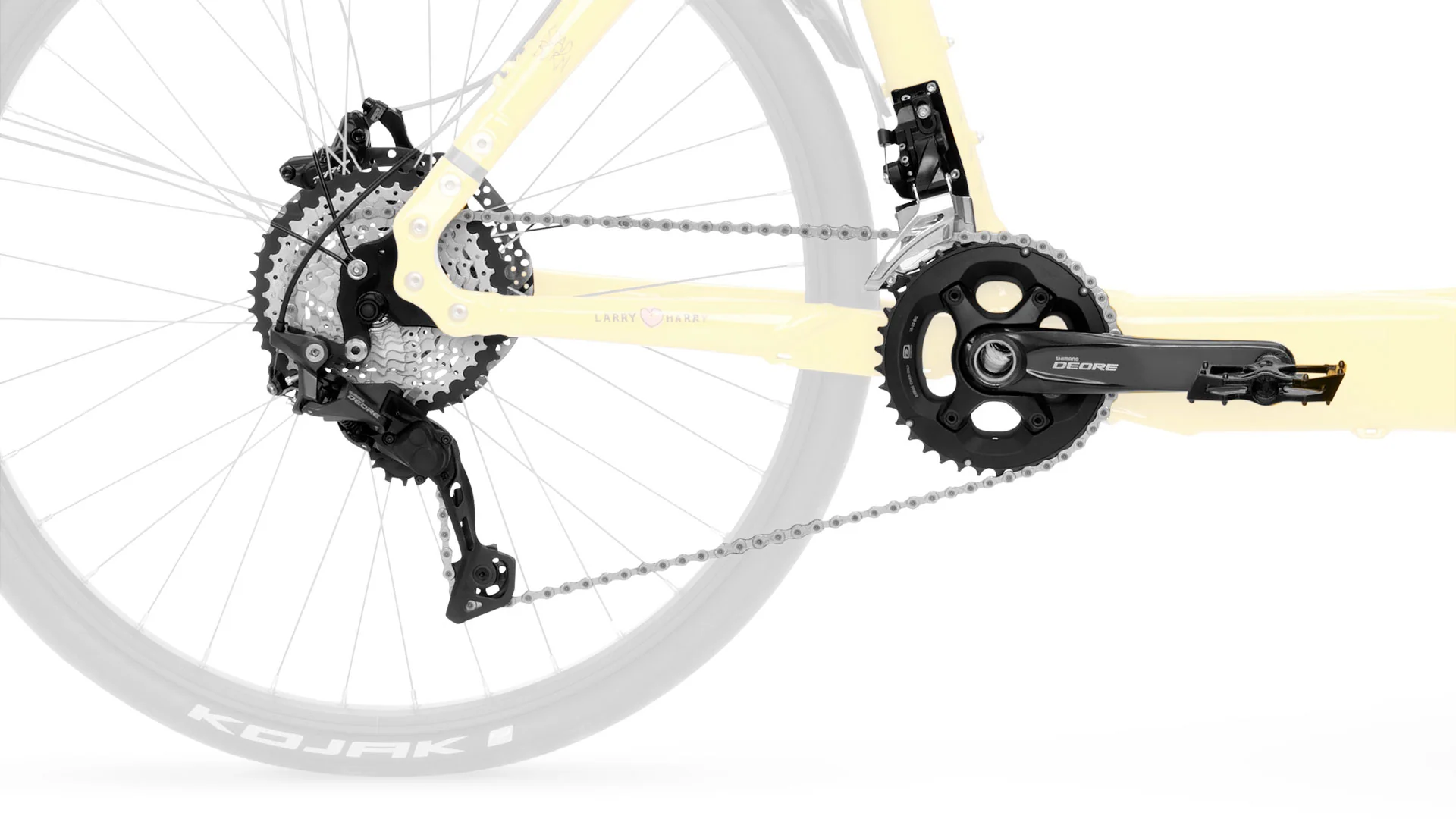
Maintenance is higher than an internal hub—you’ll likely replace the chain and cassette every couple of years—but the payoff is versatility. The Deore gives you gear options for both actual and aspirational rides, from hauling groceries and a kid up a hill, to longer city-to-city trips. Sure, you are getting a lot of gears – which can mean a lot of shifting – but it also means lots of fine-tuning if you need it.
XT 1×12: Maximum Range, Maximum Capability
For riders chasing the full aspirational package, the XT 1×12 is it. A single front chainring paired with a massive rear cassette gives linear, predictable shifting. That means there is no front derailleur to fuss with. You get the exact gear every time, without needing two shifters, and without any fine tuning. As the chart shows, you get serious climbing range and high-speed gearing all in one shifter.
The XT kit has some nice little upgrades as well. The biggest one is the TRP G-Spec eMTB brakes. These are ultra-powerful four-piston calipers with 3.2 mm/180 mm rotors. What does it mean? Intuitive stopping power that can hit the brakes hard, all with just one finger on the brake lever. In sum, the XT setup is ideal for riders who push both actual and aspirational limits. That means heavier cargo, longer distances, steeper grades, and higher speeds.
Making the Choice
In our experience, gearing choice should start with your actual day-to-day rides and then add a buffer for those aspirational moments. We find that the Alfine 8 covers most last-mile trips with minimal fuss. The Deore 2×10 adds versatility for heavier loads and steeper climbs. And, the XT 1×12 maximizes range and capability for riders who want it all.
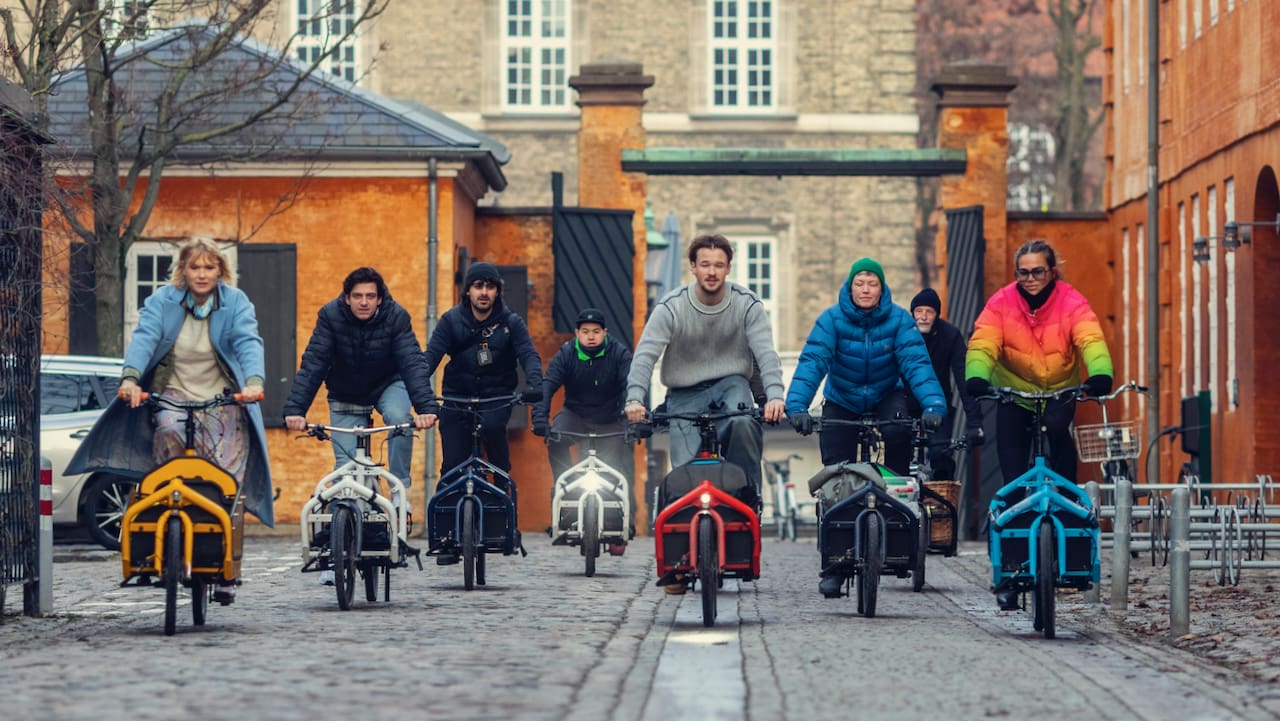
Because Bullitt is so light and strong, all of these options perform far beyond what most cargo bikes can manage without a motor. That’s what makes this conversation possible: you can focus on what you actually need, while keeping some aspirational freedom in the mix—without a motor holding you back.

Next Steps
Got a question? We’d love to help! For quick questions, click the chat button during opening hours or shoot us an email at info@pedaal.com. Want to really drill down with some questions? Book an in-store or remote sales appointment by clicking here. Of course, we’re also a phone call away too! Just dial 416-972-1422, ask for Eric or Timm and we’d love to help!